It’s October 31, the doorbell is ringing, and you’re typing a caption for your kid’s costume photo. Trick-or-treat or trick or treat? You pause. Plenty of people stop right there and search how do you spell trick or treat before posting.

This guide settles trick-or-treat hyphenation, the treaters meaning, and the common question is trick or treating capitalized, with examples you can copy. A wrong hyphen in a flyer or school email is easy to avoid once you see the pattern. Keep reading and the confusion clears up fast.
Trick or treat vs trick-or-treat

Two spellings, one holiday, endless doubt. This section shows how trick-or-treat differs from the open greeting, and it answers how do you spell trick or treat in a single glance.
Which Form Is Correct in a Sentence?
- Write trick or treat without hyphens as the greeting at the door.
- Add hyphens when the phrase acts as a verb, as in “we trick-or-treat.”
- Use hyphens for the adjective form before a noun: trick-or-treat bag.
- Hyphenate trick-or-treating for the activity and trick-or-treater for the person.
- Dictionaries list the hyphenated forms as standard, so follow them in formal writing.
| Form | Part of speech | Example |
| trick or treat | greeting, noun | “Trick or treat!” |
| trick-or-treat | verb, adjective | We trick-or-treat at six. |
| trick-or-treating | gerund, participle | Trick-or-treating starts at sunset. |
| trick-or-treater | noun | Each trick-or-treater got a candy bar. |
Example in texting:
Friend 1: Do I hyphenate “trick or treat” in my caption?
Friend 2: Only when it’s a verb or adjective. “We trick-or-treat at six.”
Trick or Treat! A Not-So-Spooky Guide to Spelling the Phrase
Spelling this phrase feels spooky only until you know the pattern. Here is a quick, simple map of trick-or-treat hyphenation and the answer to is trick or treating capitalized too.
What Is the Quick Rule for Trick-or-Treat Hyphenation?
- Hyphenate every form except the spoken greeting.
- Keep lowercase letters unless the phrase starts a sentence or title.
- Write trick-or-treating with hyphens between all three words.
- Add an exclamation point when the greeting is shouted at the door.
- Use trick-or-treats for the third person present: she trick-or-treats.
Example in texting:
Friend 1: Caption idea: “Trick or treat!” with a pumpkin emoji?
Friend 2: Perfect. The exclamation point finishes it.
What Does It Mean To Say “Trick or Treat”?

Behind the costumes sits a playful bargain between kids and neighbors. This section explains the meaning of trick-or-treat and shows how do you spell trick or treat in everyday writing.
How Do You Spell “Trick or Treat”?
- Write the greeting as three separate words: trick or treat.
- Capitalize the first T only when it starts a sentence.
- Add an exclamation point for the shouted greeting.
- Skip hyphens here because the greeting works as an interjection.
- Use quotation marks only when you name the phrase itself.
Where Did “Trick or Treat” Come From?
- The OED dates the interjection and noun to 1927.
- Canadian newspapers from the 1920s carry early variations.
- A 1938 Los Angeles Times piece is an early U.S. print example.
- The idea was a threat of pranks unless neighbors gave a treat.
- By the 1950s, the phrase reached Peanuts and a Disney cartoon.
Using Trick-or-Treat as a Verb or Adjective
- As a verb: I trick-or-treat with my cousins every year.
- The past tense is trick-or-treated: we trick-or-treated until nine.
- The present participle is trick-or-treating.
- As an adjective, hyphenate before a noun: trick-or-treat bag.
- The third person form is trick-or-treats.
| Role in sentence | Spelling | Example |
| Greeting | trick or treat | “Trick or treat!” |
| Verb | trick-or-treat | We trick-or-treat together. |
| Past tense | trick-or-treated | They trick-or-treated late. |
| Adjective | trick-or-treat | Grab the trick-or-treat bags. |
Example in texting:
Friend 1: Did you trick-or-treat last year?
Friend 2: Yes, we trick-or-treated until my bag ripped.
What Is Trick-or-Treating?
Few Halloween traditions feel as exciting as walking door to door at dusk in costume. This section defines the trick-or-treat activity and answers the question is trick or treating capitalized.
How Do You Spell “Trick-or-Treating”?
- Write trick-or-treating with hyphens between all three words.
- Keep it lowercase unless it opens a sentence or title.
- It works as a gerund: we love trick-or-treating.
- It also works as a present participle: they are trick-or-treating now.
- Some towns hold trick-or-treat events at malls or shopping centers.
- Halloween night sets the scene, so see this Halloween and Hallowe’en spelling guide.
Example in texting:
Friend 1: Are you trick-or-treating tonight?
Friend 2: Yes, we leave at six.
How Do You Spell “Trick-or-Treater”?
Every little ghost at your door has a proper name. This section covers the treaters meaning, the plural, and how do you spell trick or treat with an er ending.
What Does “Treaters” Mean on Halloween?
- A trick-or-treater is one person who goes door to door for candy.
- Trick-or-treaters is the plural, with a final s.
- The singular possessive is trick-or-treater’s: the trick-or-treater’s bag.
- The plural possessive is trick-or-treaters’: the trick-or-treaters’ costumes.
- Informal posts shorten the word to treaters.
- Outside Halloween, a treater can mean someone who gives treatment.
| Form | Meaning | Example |
| trick-or-treater | one person collecting candy | A trick-or-treater rang the bell. |
| trick-or-treaters | two or more people | Ten trick-or-treaters came by. |
| trick-or-treater’s | belongs to one person | The trick-or-treater’s mask fell off. |
| trick-or-treaters’ | belongs to several people | The trick-or-treaters’ bags were full. |
Example in texting:
Friend 1: How many treaters came by?
Friend 2: About forty trick-or-treaters. We ran out of candy.
Older Traditions Related to Trick-or-Treating

Long before candy buckets, neighbors traded soul cakes, songs, and prayers at doorsteps. These customs shaped trick-or-treat habits, though how do you spell trick or treat never crossed their minds.
Which Older Customs Led to Trick-or-Treating?
- Guising is a Scottish custom of visiting homes in disguise with a joke or song.
- Mumming is an English tradition of costumed groups performing at doors.
- Souling meant praying for the dead in exchange for soul cakes.
- The word guising comes from disguise.
- Mumming likely traces to Old French momeur, a masked jester or actor.
| Custom | Place | What people did |
| Guising | Scotland | Kids in disguise told jokes or sang for sweets. |
| Mumming | England | Costumed groups performed plays, songs, and dances. |
| Souling | England | Poorer families prayed for the dead and received soul cakes. |
Example in texting:
Friend 1: Did people really trade prayers for cakes?
Friend 2: Yes, that was souling. Kids later asked for money or food.
Factsheet
Dictionaries love tidy facts, and so do spelling nerds. This factsheet gathers key dates and sounds for the verb trick-or-treat, plus how do you spell trick or treat in print.
What does the verb trick-or-treat mean?
- The OED lists two meanings for the verb.
- Meaning one is intransitive: to go door to door asking for candy.
- Meaning two is transitive: to ask a person for sweets this way.
- The OED marks the usage as originally North American.
- The OED also records variant forms without hyphens.
How common is the verb trick-or-treat?
- The OED estimates about 0.05 occurrences per million words.
- The rate was 0.11 in 2017 and 0.025 in 2026.
- The estimate comes from a 20 billion word corpus of online news.
- Seasonal words stay rare in yearly counts.
What is the etymology of the verb trick-or-treat?
- The verb is formed within English by conversion.
- Its source is the interjection trick or treat.
- Trick-or-treater and trick-or-treating appear earlier than the verb.
What is the earliest known use of the verb trick-or-treat?
- The OED’s earliest evidence for the verb is 1943.
- It appeared in a high school paper, the Amplifier, in Oregon.
- The transitive sense appears from 1944.
- The noun and interjection date back to 1927.
How is the verb trick-or-treat pronounced?
British English
- The main pronunciation is trick-or-TREET, with stress on the last word.
- Each word keeps its own syllable and clear sound.
U.S. English
- One U.S. form is trick-uhr-TREET, with the stress last.
- Another is TRICK-uhr-treet, with the stress first.
| Fact | Detail |
| Meanings listed | 2 |
| Earliest verb evidence | 1943 |
| Frequency | about 0.05 per million words |
| Etymology | conversion from the interjection |
| British pronunciation | trick-or-TREET |
Example in texting:
Friend 1: When did people start using trick-or-treat as a verb?
Friend 2: Around 1943, going by the OED.
Etymology
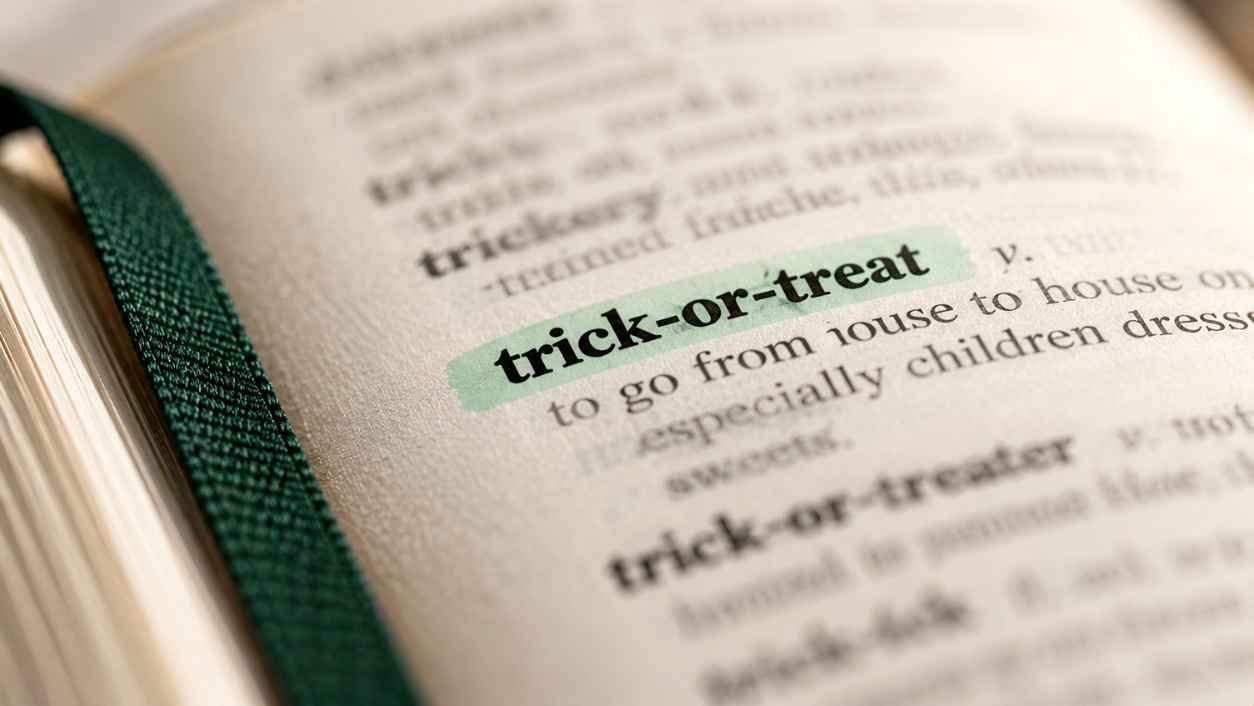
Words have birthdays too. This section traces how trick-or-treat moved from a shouted greeting to a verb, and it settles how do you spell trick or treat along the way.
Summary
- The OED calls the verb a conversion: a word changing class without changing form.
- The interjection came first, dated to 1927.
- The noun trick-or-treater appears from 1937.
- Trick-or-treating appears from 1941, and its adjective use from 1954.
- 1939 Wisconsin papers used close relatives like treating or tricking.
Example in texting:
Friend 1: So the verb came from the greeting?
Friend 2: Yes. Someone turned “trick or treat” into an action.
Trick or Treater – Quick Answer
Short on time? The quick answer to treaters meaning is simple: a trick-or-treater is a person collecting candy. This also settles every how do you spell trick or treat question.
Trick or Treater Meaning (Who Is a Trick or Treater?)
- A trick-or-treater is a person who goes door to door for candy.
- The person is usually a child in costume, but adults join too.
- The OED dates trick-or-treater to 1937.
- Hyphenate it as a noun: every trick-or-treater got a treat.
- The plural is trick-or-treaters, with an s at the end.
Example in texting:
Friend 1: Who counts as a trick-or-treater?
Friend 2: Anyone in costume asking for candy at the door.
The Origin of Trick or Treater
Every trick-or-treater has a short history. This section follows the word from the 1930s forward, with trick-or-treat as the root and is trick or treating capitalized as a bonus check.
When Was Trick-or-Treater First Used?
- The OED lists trick-or-treater from 1937.
- Trick-or-treating appears from 1941, and the verb from 1943.
- The shouted greeting dates to 1927 in the OED.
- A 1938 Los Angeles Times line describes streamlined Halloween pranks.
- Wisconsin papers in 1939 used forms like tricked or treated.
Example in texting:
Friend 1: Is trick-or-treater a modern word?
Friend 2: No. It dates to 1937, and it’s lowercase mid-sentence.
British English vs American English Spelling
Do the British and Americans spell this differently? Mostly no. This section compares trick-or-treat usage in American and British English and answers how do you spell trick or treat abroad.
Does Spelling Change in British English?
- Both varieties hyphenate the verb and adjective forms.
- The OED marks the verb as originally North American.
- British pronunciation stresses the last word: trick-or-TREET.
- U.S. pronunciation has two variants.
- British papers also print trick-or-treaters with hyphens.
| Feature | British English | American English |
| Verb spelling | trick-or-treat | trick-or-treat |
| Past tense | trick-or-treated | trick-or-treated |
| Main stress | trick-or-TREET | trick-uhr-TREET |
| Origin note | later adoption | originally North American |
Example in texting:
Friend 1: Do you say trick-or-TREET in London?
Friend 2: Yes, stress the last word. The spelling matches the US.
Which Spelling Should You Use?
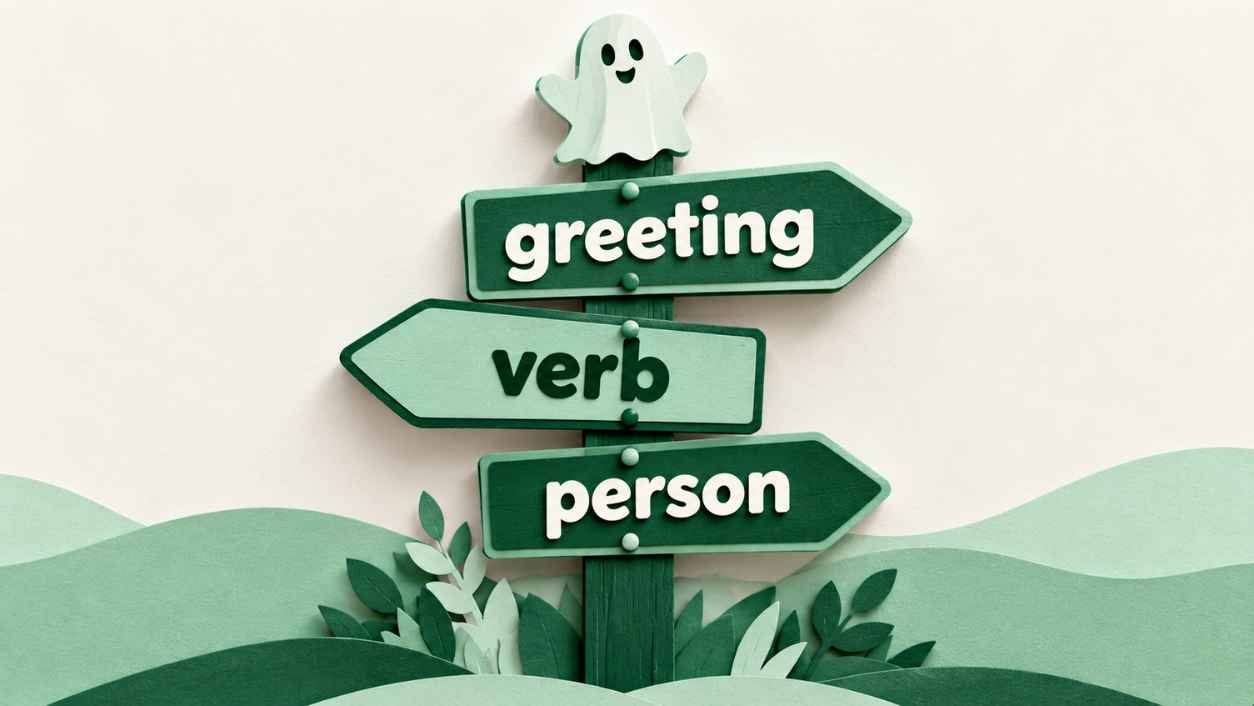
Pick the form that matches the job the phrase does in your sentence. This section gives a fast test for trick-or-treat and the answer to is trick or treating capitalized.
What Is the Fast Test for Choosing the Right Form?
- Ask if you are speaking to a neighbor. Use “trick or treat.”
- Ask if the phrase acts like an action word. Use “trick-or-treat.”
- Ask if it describes a noun. Keep the hyphens.
- Ask if it names a person. Use “trick-or-treater.”
- Ask if it names the activity. Use “trick-or-treating.”
Example in texting:
Friend 1: Flyer says “trick-or-treat hours: 5 to 8.” Right?
Friend 2: Yes. It describes hours, so keep the hyphens.
Is Trick-or-Treat Capitalized?
Short answer first: usually no, unless a rule applies. This section explains when trick-or-treat takes a capital letter and answers the question is trick or treating capitalized in your writing.
When Does Trick-or-Treat Take a Capital Letter?
- Use lowercase mid-sentence: we trick-or-treat at six.
- Capitalize the first word when the phrase starts a sentence.
- Capitalize Halloween every time; it is a proper noun.
- Official event names may take capitals.
- Capitalizing Halloween does not carry over to trick-or-treat.
Example in texting:
Friend 1: Do I capitalize trick-or-treat in my email?
Friend 2: Only at the start of a sentence or in an event name.
Common Mistakes with Trick or Treater
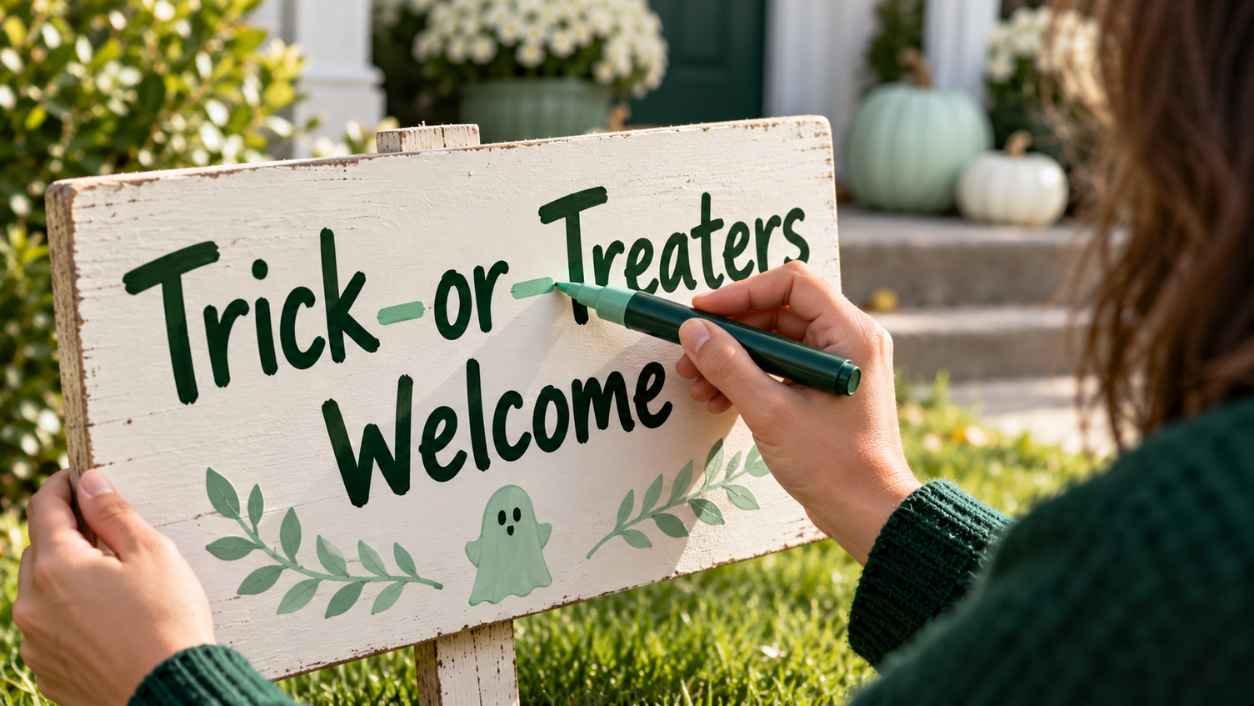
Even careful writers slip here. This section lists the most common errors people make with trick-or-treat words and shows how do you spell trick or treat correctly in each case.
What Are the Most Common Trick-or-Treat Spelling Mistakes?
- Missing hyphens: the verb needs them, as in “we trick-or-treat.”
- Wrong ending: the activity is trick-or-treating, with all three words hyphenated.
- Random capitals: keep trick-or-treat lowercase mid-sentence.
- Apostrophe plurals: write trick-or-treaters with no apostrophe.
- Open compound: “trick or treaters” needs hyphens: trick-or-treaters.
- Confusing sound-alikes happens often; the difference between aw and awe is another example.
Example in texting:
Friend 1: Our sign says “Trick or Treaters Welcome!”
Friend 2: Add hyphens: “Trick-or-Treaters Welcome!”
Trick or Treater in Everyday Examples
Rules stick better when you see them at work. These sentences show trick-or-treat forms in real life, and they answer how do you spell trick or treat by clear example.
How Do People Use Trick-or-Treat in Real Sentences?
- Greeting: “Trick or treat!” the kids shouted at the door.
- Verb: we trick-or-treat on our own street every year.
- Past tense: they trick-or-treated until the candy bag split.
- Adjective: pack the trick-or-treat bags by the front door.
- Person: each trick-or-treater said thank you.
- Chat shorthand like IGH is common; see what IGH means in texting.
Example in texting:
Friend 1: We trick-or-treated for two hours.
Friend 2: Nice haul? My trick-or-treat bag is still full.
Treaters Meaning in Chat, Slang, and Everyday Use
People shorten everything online, even holidays. This section explains the treaters meaning in chats and shows how do you spell trick or treat when you use the full trick-or-treat form.
What Does “Treaters” Mean in Texting?
- Treaters is casual shorthand for trick-or-treaters in posts and group chats.
- The full word trick-or-treaters fits formal writing better.
- A treater can also mean someone who gives treatment in medicine.
- Chat abbreviations vary, and IMK meaning in chat shows another example.
- Keep context clear so readers know you mean Halloween visitors.
- Use the full hyphenated form in headlines, emails, and school notes.
Example in texting:
Friend 1: Any treaters yet?
Friend 2: Three so far. A tiny dinosaur and two witches.
Why Do People Say Trick or Treat on Halloween?
The phrase started as a playful warning and became a greeting. This section explains why people shout trick-or-treat and answers how do you spell trick or treat along the way.
What Does the Phrase Really Mean at the Door?
- The trick is a prank the child could play on you.
- The treat is the candy that keeps the peace.
- Early uses framed it as a threat, per newspaper reports.
- Today the threat is gone; kids usually get treats regardless.
- The phrase now works as a friendly greeting and a request.
Example in texting:
Friend 1: Why do kids say “trick or treat”?
Friend 2: It began as a prank threat. Now it just means “candy, please.”
Trick or Treater – Google Trends & Usage Data
Numbers tell a quiet story about this phrase. This section looks at how often trick-or-treat appears in print and when people ask how do you spell trick or treat online.
Frequency of trick-or-treat, v., 2017–2026
- The OED reports about 0.05 occurrences per million words for the verb.
- The yearly rate fell from 0.11 in 2017 to 0.025 in 2026.
- The figures come from a 20 billion word corpus of online news.
- The OED applies smoothing to reduce short-term swings.
- I’d expect October to be the peak month; confirm in Google Trends.
| Year | Occurrences per million words |
| 2017 | 0.11 |
| 2020 | 0.047 |
| 2023 | 0.038 |
| 2026 | 0.025 |
Example in texting:
Friend 1: Is trick-or-treat dying out as a word?
Friend 2: The verb is rarer in news text, but kids still use it every October.
Trick-or-Treat Hyphenation in Headlines and Titles
Headlines add a small wrinkle: capital letters. This section covers trick-or-treat hyphenation in titles and clears up is trick or treating capitalized when the phrase appears in a news heading.
How Do You Capitalize Trick-or-Treat in a Title?
- In sentence-case headlines, capitalize only the first word.
- In title case, most styles capitalize Trick and Treat; they differ on “or.”
- Pick one headline style and apply it to every title on your site.
- Keep the hyphens in headlines so the compound reads as one unit.
- Official event names, like a town’s Trick-or-Treat Night, can take capitals.
Example in texting:
Friend 1: Headline: “Trick-or-treat hours set for Friday.” Fine?
Friend 2: Yes. Sentence case, hyphens intact.
Comparison Table (Keyword Variations)
Sometimes one clean table beats three paragraphs. Use this table to compare every trick-or-treat variation at a glance and settle the question is trick or treating capitalized in each case.
What Are All the Keyword Variations at a Glance?
- Trick or treat is the greeting, written without hyphens.
- Trick-or-treat works as a verb and adjective.
- Trick-or-treating names the activity.
- Trick-or-treater names the person.
- Treaters is casual shorthand in chat.
- Capitalize only at a sentence start, in a title, or in an event name.
| Variation | Part of speech | Capitalize? | Example |
| trick or treat | interjection, noun | sentence start only | Trick or treat! |
| trick-or-treat | verb, adjective | sentence start or title | We trick-or-treat at six. |
| trick-or-treating | gerund, participle | sentence start or title | Trick-or-treating starts at dusk. |
| trick-or-treater | noun | sentence start or title | Each trick-or-treater said thanks. |
| treaters | informal shorthand | sentence start only | Any treaters yet? |
Example in texting:
Friend 1: Can you screenshot that spelling chart?
Friend 2: Sent. Trick-or-treat gets hyphens everywhere except the greeting.
Trick-or-Treat Signs, Flyers, and Social Posts
Signs get read in seconds, so spelling matters. This section gives sample wording that keeps trick-or-treat forms correct and answers how do you spell trick or treat on a flyer.
What Should a Trick-or-Treat Sign Say?
- Use Trick-or-Treat Hours: 5 to 8 p.m. for a time notice.
- Use No trick-or-treaters this year for a closed door.
- Write Trick or treat! with an exclamation point for a welcome sign.
- Write hashtags like #trickortreat without hyphens, since tags cannot hold them.
- Proofread the plural before printing: trick-or-treaters, no apostrophe.
Example in texting:
Friend 1: Does the porch sign need hyphens?
Friend 2: For “trick-or-treat hours,” yes. For “Trick or treat!” no.
Easy Memory Tricks for Spelling Trick-or-Treat
Memory hooks save you from rereading rules every October. This section offers quick habits for trick-or-treat spelling and an answer to how do you spell trick or treat under pressure.
How Can You Remember the Hyphens in Trick-or-Treat?
- Say it aloud: if the phrase acts or describes, add hyphens.
- Three words work as one word when they name an action.
- The greeting at the door has no hyphens because you are talking to someone.
- Check the ending: -ing or -er means hyphens.
- Write one sample sentence and reuse it as your template.
Example in texting:
Friend 1: I always forget the hyphens.
Friend 2: Check the ending. If it has -ing or -er, add them.
What Age Is Too Old To Trick-or-Treat?
Parents, teens, and neighbors ask this same question every single year. This section covers the age question, trick-or-treat manners, and how do you spell trick or treat in your answer.
Is There an Official Age Limit for Trick-or-Treating?
- I know of no universal cutoff; local customs and neighbors decide.
- Grammarist cites a high school sophomore planning to trick-or-treat in costume.
- Many towns publish trick-or-treat hours, so check yours.
- Costumes and polite manners matter more than age.
- Say thank you at every door, whatever your age.
Example in texting:
Friend 1: Am I too old to trick-or-treat at 16?
Friend 2: Wear a costume and say thanks. Most neighbors will smile.
FAQs About Trick or Treater
How do you spell trick-or-treat?
Write trick-or-treat with hyphens as a verb or adjective. Skip hyphens for the greeting.
Is trick or treating capitalized?
No, trick-or-treat stays lowercase mid-sentence. Capitalize it only at a sentence start or event name.
What does trick-or-treat mean?
Trick-or-treat means going door to door for Halloween candy. It once hinted at pranks.
What is a trick-or-treater?
A trick-or-treater is a person collecting candy at Halloween. The plural is trick-or-treaters.
Is trick-or-treat one word or three?
Hyphens join three words into one compound in trick-or-treat verb forms. The greeting stays separate.
When did trick-or-treat start?
The OED dates the greeting to 1927 and the verb trick-or-treat to 1943. Earlier newspaper hints exist.
What is the treaters meaning?
Treaters is casual shorthand for trick-or-treaters. Use the full trick-or-treat word in formal writing.
Conclusion
You now have a clear system for trick-or-treat spelling. Write “trick or treat” without hyphens when you shout it at the door. Add hyphens for the verb, the adjective, trick-or-treating, and trick-or-treater. Keep everything lowercase unless a sentence, headline, or event name calls for a capital, which answers is trick or treating capitalized for good.
The history backs this up. The OED dates the greeting to 1927, the person to 1937, and the verb to 1943, so the hyphenated trick-or-treat forms have been standard for decades. Even the casual treaters meaning in chats points back to the same word.
Before you post your next trick-or-treat caption, read it once and check each hyphen. Then hit send and enjoy the candy.

Daniel Parker is an English language writer sharing clear grammar lessons, practical tips, and helpful examples for learners.










1 thought on “Trick-or-Treat Meaning: Spelling Rules Made Simple”