
You typed it, then stopped. Was it “the boys are outside” or “the boy’s are outside”? That tiny apostrophe has probably made you pause more times than you’d like to admit, and honestly, you’re far from alone in this.
This guide breaks down the real meaning behind boys vs boy’s in plain, human language, no confusing grammar jargon involved. You’ll walk away knowing exactly when to use boys or boy’s, backed by simple tricks, real examples, and a quick comparison table you can bookmark. Keep reading, because by the end of this, that apostrophe will never trip you up again.
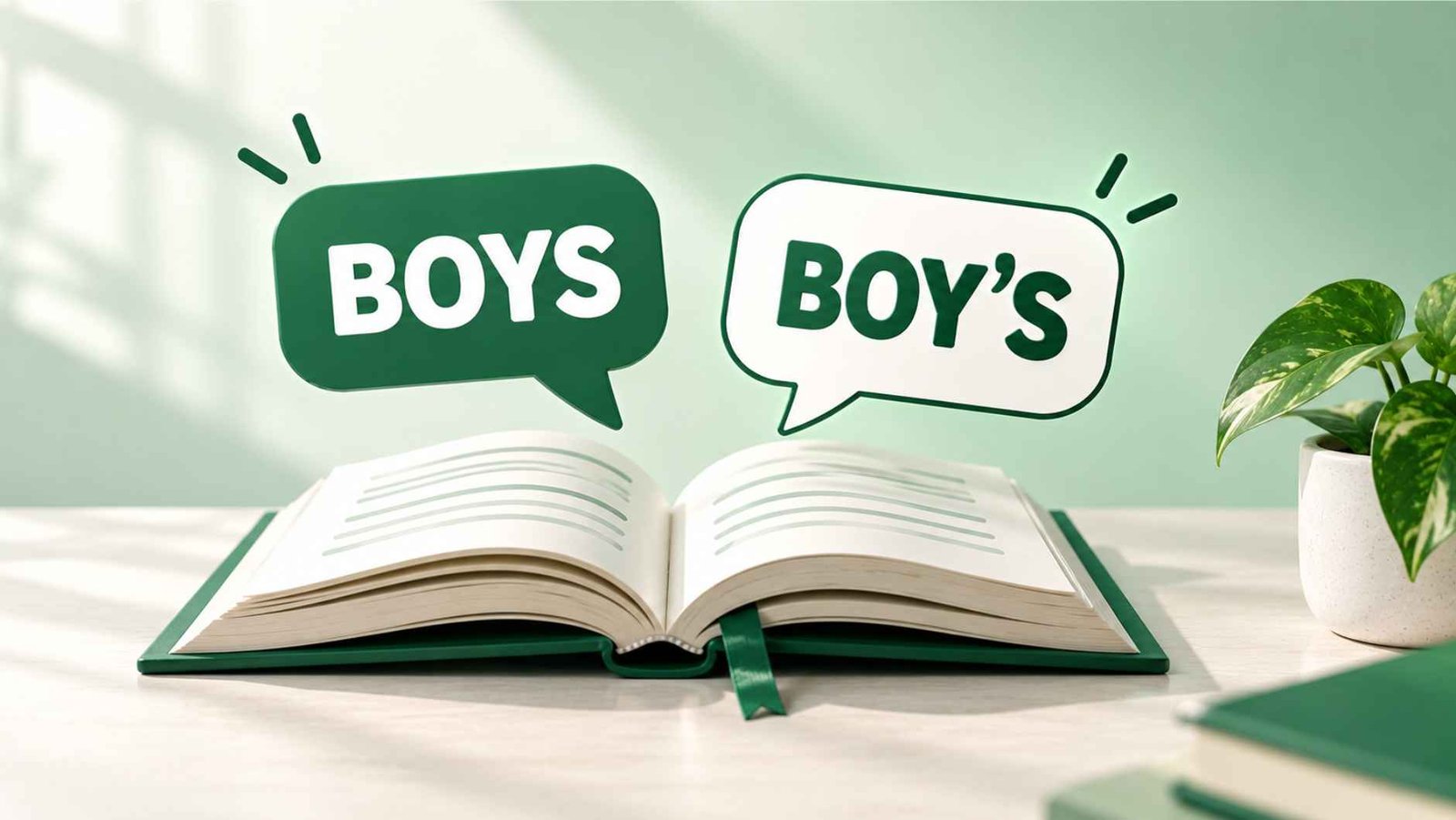
Quick Answer
Short on time and just need the answer? Here’s the boys vs boy’s meaning broken down in one glance, no fluff, just the facts you came here for.
- Boys means more than one boy, plain and simple plural.
- Boy’s shows that something belongs to one single boy.
- Boys’ shows something belongs to several boys at once.
- Use the apostrophe test: does it belong to someone?
- If yes to ownership, add an apostrophe; if not, skip it.
How Do You Quickly Tell Boys and Boy’s Apart?
- No apostrophe means you’re simply talking about a group.
- Apostrophe before the s means one boy owns something.
- Apostrophe after the s means multiple boys own something.
- Ask “does this belong to someone” before you write it.
- Read the sentence aloud to hear the natural meaning.
Example in texting: Friend 1: are the boys coming tonight or just the boy’s brother? Friend 2: just his brother, the boys are all busy lol
Boys vs Boy’s: What’s the Difference?

Here’s where most of the confusion starts. The boys vs boy’s debate isn’t about spelling, it’s entirely about what that one small apostrophe actually communicates.
| Word | Meaning | Example |
| boys | More than one boy (plural) | The boys finished their homework. |
| boy’s | Something belongs to one boy (possessive) | The boy’s bicycle is new. |
| boys’ | Something belongs to many boys (plural possessive) | The boys’ locker room is downstairs. |
- Boys is a plain plural noun, nothing more, nothing less.
- Boy’s is a singular possessive noun showing individual ownership.
- The apostrophe placement is the only visual difference between the two.
- Context clues in a sentence usually reveal which form fits.
- Mixing these up is one of the most common punctuation mistakes in English.
- A simple rule: no apostrophe equals plural, apostrophe plus s equals ownership.
Why Does One Apostrophe Change the Entire Meaning?
An apostrophe isn’t decorative, it’s a grammar signal. It tells the reader that ownership, not quantity, is the point of the sentence, which completely shifts what the sentence is actually saying.
Example in chat: Friend 1: is that the boys lunchbox or the boy’s lunchbox lol Friend 2: definitely the boy’s, it only belongs to one kid
What Does “Boys” Mean?
Boys is simply the plural form of the word boy. It refers to two or more male children or young males doing something together, with zero ownership implied anywhere in the sentence.
- Boys always refers to a group, never a single person.
- The word never carries an apostrophe in its plural form.
- It functions as a regular plural noun, just like “dogs” or “cars.”
- Boys can be the subject or object of any sentence.
- It never shows possession, only quantity and grouping.
How Is “Boys” Used in Everyday Conversations?
People use boys constantly in casual speech, school settings, sports, and even texting slang, almost always describing more than one male child, teen, or young man as a unit.
Examples
- The boys are waiting for the school bus.
- Several boys joined the basketball team.
- The boys enjoyed the science experiment.
- Those boys live next door.
- The boys celebrated their victory together.
Example in texting: Friend 1: the boys just landed at the airport Friend 2: finally! tell them dinner’s at 7
What Does “Boy’s” Mean?
Boy’s is the singular possessive form of boy, and it tells the reader that something specifically belongs to one boy, not a group, just a single person owning a single thing.
- The apostrophe sits before the s in this possessive form.
- It always refers to one boy, never more than one.
- The word following it is usually something he owns or is connected to.
- Boy’s can also show a relationship, like “the boy’s mother.”
- This is the trickiest form for most English learners to remember.
- It follows the standard singular possessive rule used across English grammar.
What’s the Fastest Way to Test for Possession?
Ask yourself one simple question before writing: does this thing belong to the boy? If your sentence can be rewritten as “belonging to the boy,” you need the apostrophe.
Examples
- The boy’s hat blew away.
- I found the boy’s notebook.
- The boy’s mother arrived early.
- Everyone admired the boy’s painting.
- The boy’s room was clean.
Example in chat: Friend 1: whose jacket is this Friend 2: that’s the boy’s jacket, he left it at my place
What About “Boys'”?
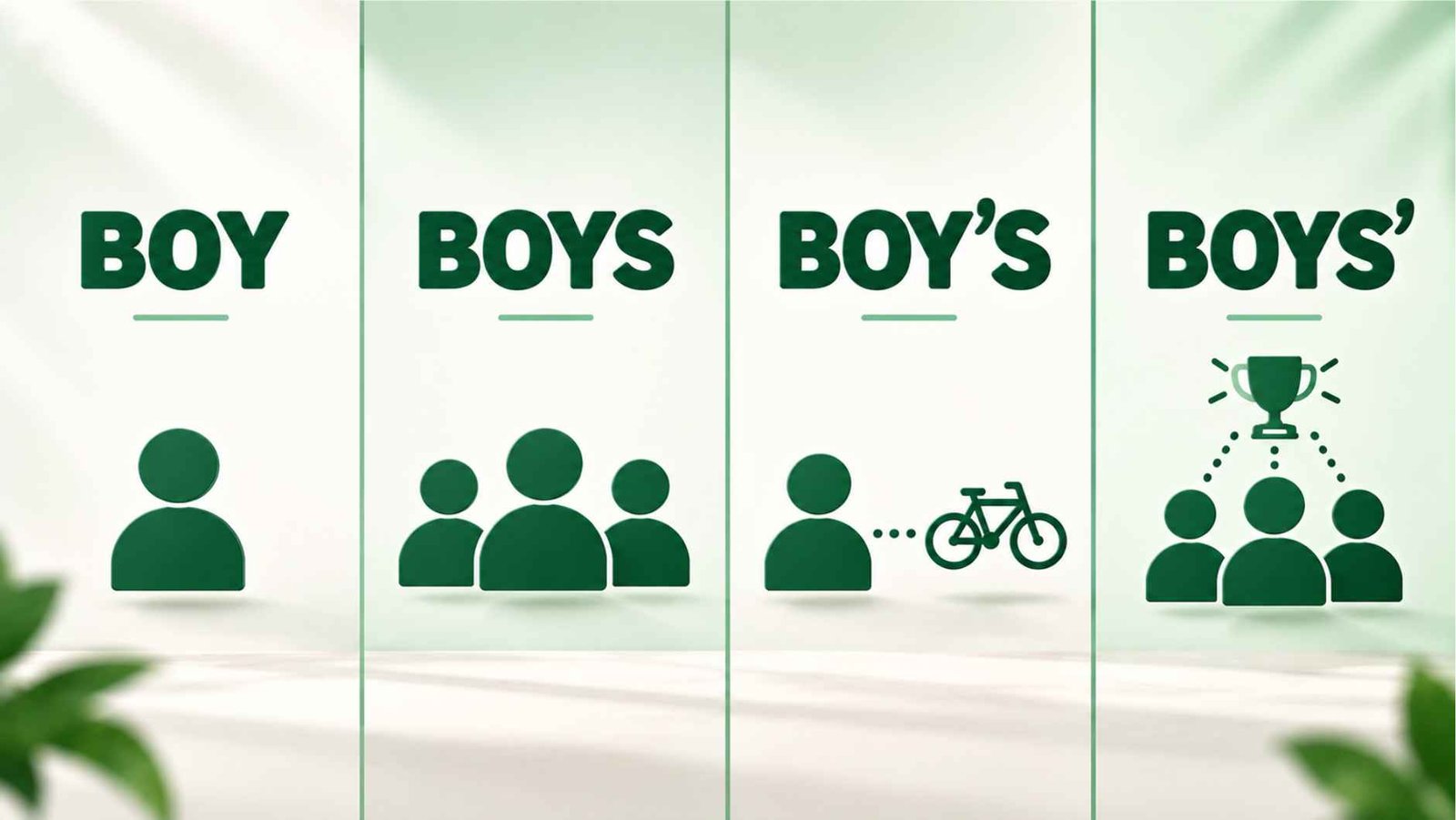
Many learners stop right after mastering boys and boy’s, forgetting a third form exists entirely. Boys’ is the plural possessive, showing that something belongs to more than one boy at the same time.
- The apostrophe goes after the s, not before it.
- It always describes something owned by multiple boys together.
- This form is common in team, school, and group contexts.
- Pronunciation stays identical to boys, only spelling differs.
- Don’t confuse this with the singular possessive boy’s form.
When Do People Actually Use “Boys'” in Real Life?
You’ll spot boys’ most often in group settings, like sports teams, classrooms, or shared spaces where an entire group of boys collectively owns something together.
Examples
- The boys’ locker room is downstairs.
- The boys’ soccer team won the championship.
- The boys’ uniforms were washed.
- The boys’ parents attended the meeting.
| Form | Meaning | Example |
| boy | One boy | The boy smiled. |
| boys | More than one boy | The boys smiled. |
| boy’s | Belonging to one boy | The boy’s smile was bright. |
| boys’ | Belonging to several boys | The boys’ smiles were contagious. |
Example in texting: Friend 1: is this the boys’ clubhouse Friend 2: yep, all four of them built it together
Difference Between Boy’s and Boys’ in Writing
This is where the difference between boy’s and boys’ trips up even confident writers, since both forms sound completely identical when spoken aloud, and only the written apostrophe placement separates them.
- Boy’s signals one owner, always singular possession.
- Boys’ signals multiple owners, always plural possession.
- Spoken English gives zero audio clues between the two forms.
- Written English relies entirely on correct apostrophe placement.
- Editors and teachers flag this as one of the top grammar errors.
- Always identify how many boys are involved before adding punctuation.
Does Pronunciation Help You Choose Between Boy’s and Boys’?
Unfortunately, no. Both words sound exactly the same when spoken, which means boy’s and boys’ difference only becomes visible once you actually write the sentence down.
Example in chat: Friend 1: is it the boy’s project or the boys’ project Friend 2: it’s a group thing, so boys’ project
When Should You Use Boys?
Use boys whenever you’re describing a group without any ownership involved anywhere in the sentence, no exceptions, no apostrophes, just a straightforward plural noun doing its job.
Correct Examples
- The boys went camping.
- Three boys volunteered.
- The boys laughed loudly.
- Several boys entered the competition.
- All the boys wore blue uniforms.
- Group actions almost always call for plain boys.
- Counting boys with numbers never needs an apostrophe.
- Sports, classrooms, and family talk use this form constantly.
- If nothing is “owned,” boys is nearly always correct.
- Double-check your sentence for hidden possession before finalizing it.
Example in texting: Friend 1: how many boys signed up for camp Friend 2: twelve boys so far, more joining tomorrow
When Should You Use Boy’s?
Use boy’s the moment your sentence describes something that belongs to exactly one boy, whether that’s an object, a feeling, a relationship, or an achievement tied to a single person.
Correct Examples
- The boy’s shoes were muddy.
- I borrowed the boy’s pencil.
- The boy’s birthday is tomorrow.
- The boy’s dog is friendly.
- Everyone liked the boy’s speech.
- Single ownership is the clearest signal for this form.
- Family relationships like “the boy’s sister” also use it correctly.
- Achievements and traits, like “the boy’s talent,” count as possession too.
- Never use this form for plain group descriptions.
- Reread your sentence and ask who specifically owns the thing.
Example in chat: Friend 1: this is the boy’s homework right Friend 2: yeah, don’t lose it, he needs it tomorrow
Boys vs Boys Meaning in Simple English
Some readers search for boys vs boys meaning simply because the apostrophe disappears entirely on mobile keyboards or autocorrect, leading to genuine confusion about which spelling actually belongs where.
- If both words look identical, there’s likely a typo involved.
- Autocorrect often drops apostrophes by accident on phones.
- Always double-check possessive sentences before hitting send.
- A missing apostrophe can completely change your intended meaning.
- When unsure, rewrite the sentence to avoid ambiguity altogether.
Can Boys and Boys Ever Mean the Same Thing?
Technically no. If you see “boys vs boys” written with no apostrophe anywhere, it’s almost always a typo rather than an intentional grammatical choice.
Example in texting: Friend 1: is that boys bag or boys bag lol typo? Friend 2: haha yeah I meant the boy’s bag, my bad
Easy Trick to Remember
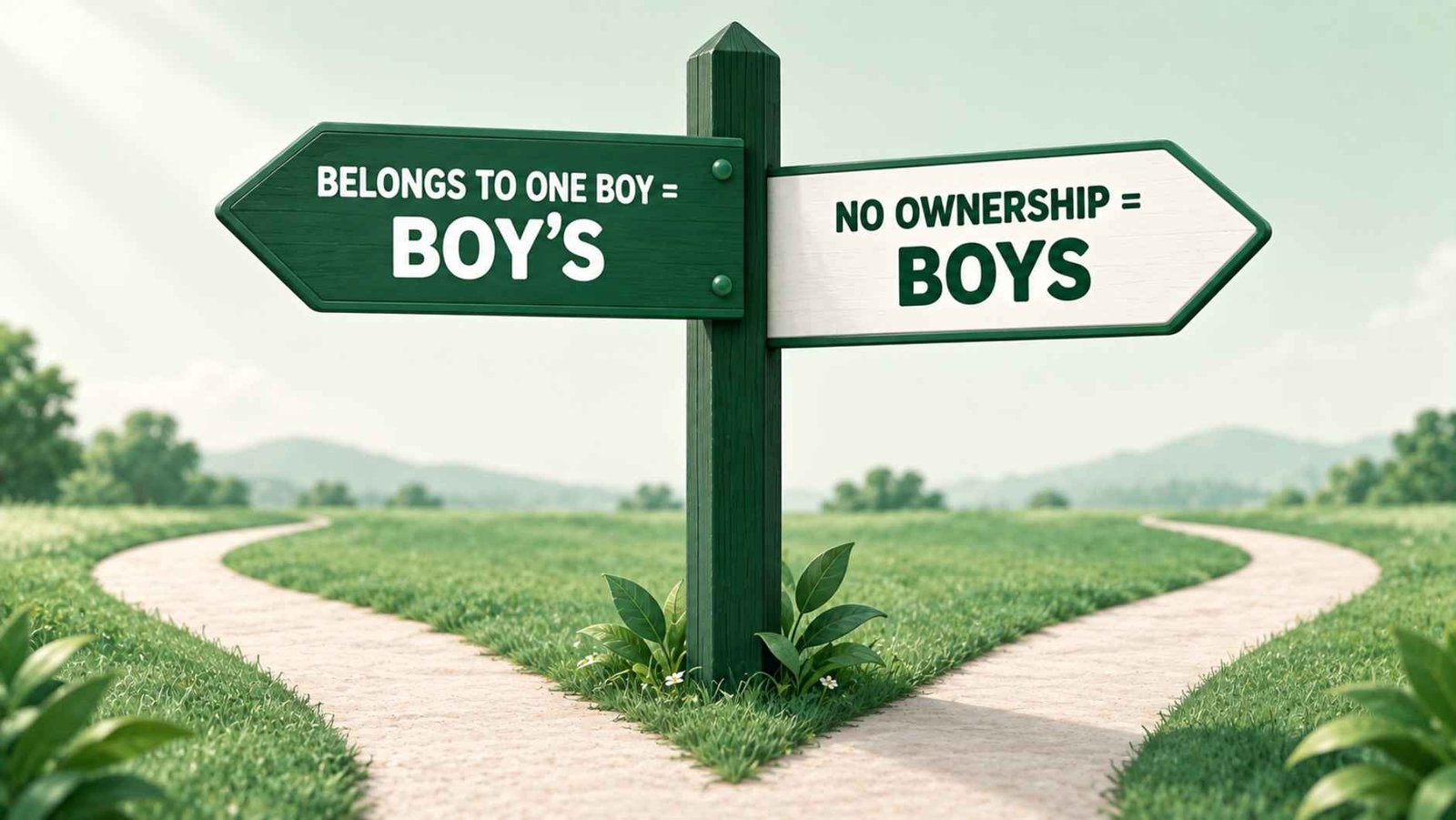
A quick memory trick can save you from second-guessing every sentence you write, and it works whether you’re texting a friend or finishing a school essay under a deadline.
- Ask yourself: “can I replace it with belongs to the boy?”
- If yes, always write boy’s with the apostrophe first.
- If ownership isn’t involved at all, simply use boys.
- For group ownership, flip the test to “belongs to the boys.”
- Practice this test daily until it becomes second nature.
- The boy’s jacket = the jacket belongs to the boy.
- The boys are singing = no ownership, just a group.
- The boys’ clubhouse = the clubhouse belongs to the boys.
Example in chat: Friend 1: how do you remember boys vs boy’s honestly Friend 2: I just ask “does it belong to someone” every time
Why Do People Confuse Boys and Boy’s?
Confusion usually starts early, often in school, when plural and possessive rules get taught close together without enough practice, and the two forms end up blending together in memory.
- Autocorrect frequently removes or misplaces apostrophes automatically.
- Many learners were never taught the possession test clearly.
- Spoken English doesn’t distinguish boy’s from boys’ at all.
- Fast typing on phones increases the chance of dropped punctuation.
- Native speakers often rely on instinct instead of the actual rule.
Is This Mistake More Common in Texting Than Formal Writing?
Yes, definitely. Texting and social media speed encourages shortcuts, and apostrophes are usually the first thing skipped when someone’s typing quickly on a small keyboard.
Example in texting: Friend 1: ugh I always mess up boys and boy’s when texting fast Friend 2: same, autocorrect doesn’t help either honestly
Common Mistakes
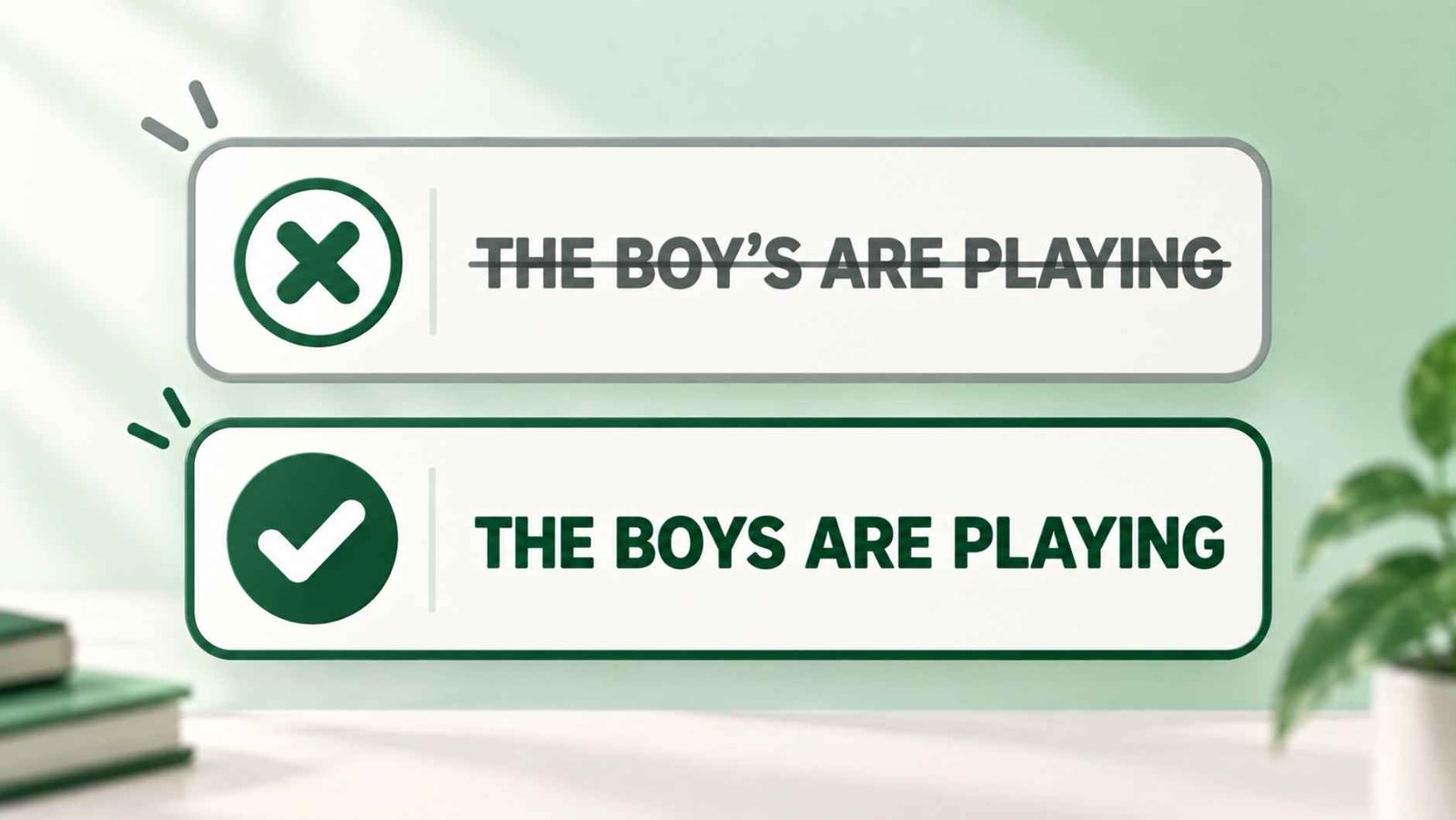
Apostrophe mix-ups rank among the most frequent punctuation mistakes in everyday English, and most of them follow the same repeating pattern once you know what to look for.
Incorrect
- The boys’ are outside.
Correct
- The boys are outside.
Incorrect
- The boys bicycle is red.
Correct
- The boy’s bicycle is red.
Incorrect
- The boys toys are everywhere. (when one boy owns them)
Correct
- The boy’s toys are everywhere.
Incorrect
- The boy’s are playing football.
Correct
- The boys are playing football.
- Apostrophes never make a word plural, remember that always.
- A missing apostrophe before ownership is the second most common error.
- Swapping boy’s and boys’ confuses singular and group ownership entirely.
- Reading sentences aloud helps catch most of these mistakes instantly.
- Grammar checkers catch some errors but miss context-based ones often.
Example in chat: Friend 1: wait is it “the boys are playing” or “the boy’s are playing” Friend 2: definitely boys, no apostrophe needed there at all
Boy’s and Boys’ Apostrophe Rule Explained
The apostrophe rule behind these words isn’t unique to “boy” at all, it’s the same standard rule English applies to nearly every regular noun when showing possession.
| Situation | Rule | Example |
| Singular possession | Add ‘s | The boy’s bag |
| Plural possession | Add s’ | The boys’ bag |
| Plain plural | Add just s | The boys |
- Regular nouns follow this exact pattern almost every time.
- Irregular plurals like “children” use a different possessive rule.
- The apostrophe position always tells you who owns what.
- This rule applies across American and British English equally.
- Once memorized, this rule applies to hundreds of other nouns too.
Does This Apostrophe Rule Apply to Other Words Too?
Absolutely. The same logic applies to “girl’s” versus “girls’,” “dog’s” versus “dogs’,” and virtually every regular plural noun in the English language.
Example in texting: Friend 1: so it’s the same rule as girls and girl’s right Friend 2: exactly, same pattern, just swap the word
Examples in Everyday Sentences
Seeing these forms inside natural, everyday sentences often makes the boys vs boy’s meaning click faster than any rule ever could, so here’s a full practical breakdown.
Boys
- The boys built a treehouse.
- Two boys answered correctly.
- The boys practiced every afternoon.
- The boys cleaned the classroom.
- Four boys won medals.
Boy’s
- The boy’s camera is expensive.
- The boy’s lunch is on the table.
- Everyone praised the boy’s kindness.
- The boy’s bicycle needs repair.
- I liked the boy’s drawing.
Boys’
- The boys’ classroom is on the second floor.
- The boys’ jackets were hanging by the door.
- The boys’ coach encouraged everyone.
- The boys’ science project won first prize.
- The boys’ performance impressed the audience.
- Context almost always reveals the correct form instantly.
- Reading the full sentence matters more than the word alone.
- Ownership words like “camera” or “jacket” usually signal possession.
- Group verbs like “practiced” or “cleaned” usually signal plain plural.
- Practice with real sentences builds lasting confidence fast.
Example in chat: Friend 1: can you check if this sentence uses boy’s correctly Friend 2: send it over, I’ll take a look now
Boys or Boy’s in School Writing
Students often lose marks purely because of apostrophe mistakes, not because the actual content of their writing is weak, which makes this one of the easiest fixes to learn.
- Teachers frequently deduct points for possessive errors in essays.
- Before submitting, always reread every plural-looking word carefully.
- Ask whether the sentence is describing a group or an owner.
- Peer editing catches apostrophe mistakes writers often miss themselves.
- Building this habit early prevents repeated mistakes in college writing.
Why Do Teachers Care So Much About This Apostrophe Rule?
Because clarity matters. A misplaced apostrophe can genuinely confuse a reader about who owns what, and teachers grade writing partly on how clearly meaning comes across.
Example in texting: Friend 1: my teacher marked down “boys are playing” as wrong Friend 2: wait why, that’s actually correct with no apostrophe
Why Apostrophes Matter
A single punctuation mark can completely change what a sentence communicates, which is exactly why the boys vs boy’s distinction matters more than people initially assume.
- The boys are waiting. (a group, no ownership)
- The boy’s brother is waiting. (one boy’s brother)
- The boys’ brother is waiting. (shared brother of several boys)
- Each version tells a completely different story.
- Professional writing depends heavily on correct punctuation choices.
- Misused apostrophes can make writing look careless or rushed.
- Readers trust writers who use punctuation accurately and consistently.
- Mastering this small rule improves overall writing credibility significantly.
What Happens When Apostrophes Are Used Incorrectly?
Meaning breaks down. A reader might assume group ownership when you meant one person, or assume no ownership at all when possession was actually the entire point.
Example in chat: Friend 1: does “the boys brother” sound wrong to you Friend 2: yeah, needs an apostrophe, it’s the boy’s brother
When Should You Use an Apostrophe With Boys?
This question comes up constantly, especially among students and non-native English speakers still building confidence with possessive nouns and plural forms side by side.
- Use an apostrophe only when showing ownership, never for plurals.
- Add ‘s when one boy owns the item or trait.
- Add s’ when multiple boys share ownership together.
- Skip the apostrophe entirely for plain group descriptions.
- When in doubt, apply the “belongs to” test every single time.
Is There a Simple Rule for Apostrophe Placement?
Yes. Place the apostrophe before the s for one owner, and after the s for multiple owners. That single placement rule solves almost every case.
Example in texting: Friend 1: quick, apostrophe before or after the s for one boy Friend 2: before, it’s boy’s for just one
American vs British English
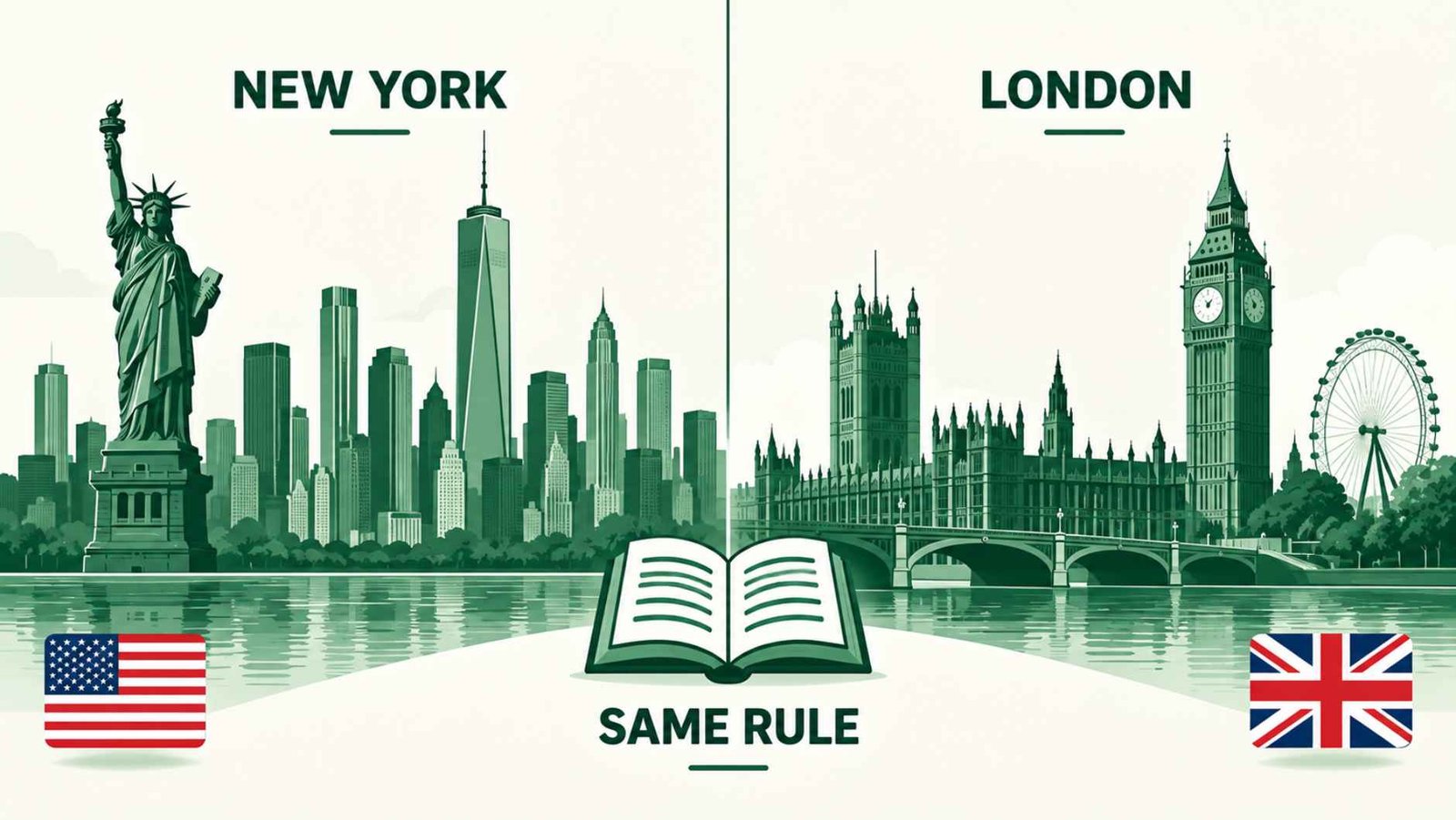
There’s genuinely good news here. There is no difference between American English and British English when it comes to using boys, boy’s, or boys’ correctly.
- Both varieties follow identical possessive and plural rules.
- Spelling stays the same across US and UK writing.
- Even style guides on both sides agree on this rule.
- If you’ve mastered one variety, you’ve mastered both automatically.
- This consistency makes the rule easier to remember globally.
American English: The boy’s backpack is missing. British English: The boy’s backpack is missing.
American English: The boys are playing. British English: The boys are playing.
Interestingly, plenty of other English word pairs do shift between American and British spelling, and if you’ve ever wondered about one of the most common examples, this breakdown of cancellation vs cancelation explains exactly how that spelling divide works.
Do British and American Writers Ever Disagree on This Rule?
No, this is one of the rare grammar rules where both English varieties agree completely, with zero regional variation in either spelling or apostrophe placement.
Example in chat: Friend 1: is boy’s spelled differently in British English Friend 2: nope, identical rule on both sides
Quick Comparison
| Situation | Correct Form | Example |
| One boy | boy | The boy smiled. |
| More than one boy | boys | The boys smiled. |
| Something belongs to one boy | boy’s | The boy’s shoes are new. |
| Something belongs to many boys | boys’ | The boys’ classroom is clean. |
- Bookmark this table for a fast future reference check.
- Quantity words like “several” or “many” usually point to boys.
- Possession words like “his” often pair naturally with boy’s.
- Group possession phrases usually pair with boys’ instead.
- Reviewing this table regularly builds long-term grammar confidence.
Which Form Is Statistically the Most Commonly Misused?
Boy’s and boys’ get confused far more often than plain boys, mainly because both possessive forms sound identical when spoken aloud.
Example in texting: Friend 1: which one do people mix up most, boys or boy’s Friend 2: definitely boy’s vs boys’, they sound the same
Tips to Avoid Mistakes
A handful of simple habits can permanently fix apostrophe confusion, and none of them require memorizing complicated grammar terminology or long lists of exceptions.
- Never add an apostrophe just to make a word plural.
- Use boy’s only when one boy owns something specific.
- Use boys’ when several boys own something together.
- Read the sentence carefully before typing any apostrophe.
- Replace the phrase with “belongs to” to test for possession.
- Slow down while texting, since most mistakes happen when rushing.
- Keep this guide bookmarked for quick future checks.
What’s the Single Best Habit for Avoiding This Mistake?
Pausing for two seconds before hitting send or submit, and mentally running the “belongs to” test, prevents the vast majority of apostrophe errors entirely.
Example in chat: Friend 1: any quick tip for remembering this stuff Friend 2: just ask “does it belong to someone” every single time
FAQs
Is boys the plural of boy?
Yes. Boys is the regular plural form of boy and simply refers to more than one boy.
When should I use boy’s?
Use boy’s when something belongs to one boy, such as the boy’s backpack or the boy’s bicycle.
What does boys’ mean?
Boys’ is the plural possessive form. It shows ownership by multiple boys, as in the boys’ classroom.
Can boys have an apostrophe?
Yes, but only when showing possession. Use boys’ for shared ownership and boy’s when comparing boys vs boy’s for one owner.
Why is “the boy’s are playing” incorrect?
Because boy’s shows possession, not a plural. The correct sentence when discussing boys or boy’s is simply “the boys are playing.”
Is there a grammar difference between American and British English?
No. Both American and British English use identical rules across the boys vs boy’s comparison, with no regional variation at all.
How can I remember the difference easily?
Remember this simple rule: no apostrophe means plural, while an apostrophe usually signals ownership, the same logic behind the entire boys vs boy’s debate.
Summary
Understanding boys vs boy’s really comes down to one small question: is this about a group, or about ownership? Boys simply means more than one boy, while boy’s shows that something belongs to a single boy. If several boys share ownership of something, boys’ is the correct choice.
Whenever you’re stuck between boys or boy’s, pause and ask yourself whether possession is involved. No ownership means boys. One boy owning something means boy’s. Multiple boys owning something together means boys’. Keep this simple three-way test in mind, and the difference between boy’s and boys’ will stop feeling confusing for good. The next time that apostrophe makes you pause, you’ll already know exactly what to type.

Daniel Parker is an English language writer sharing clear grammar lessons, practical tips, and helpful examples for learners.










1 thought on “Boys vs Boy’s: The Meaning You Keep Getting Wrong”