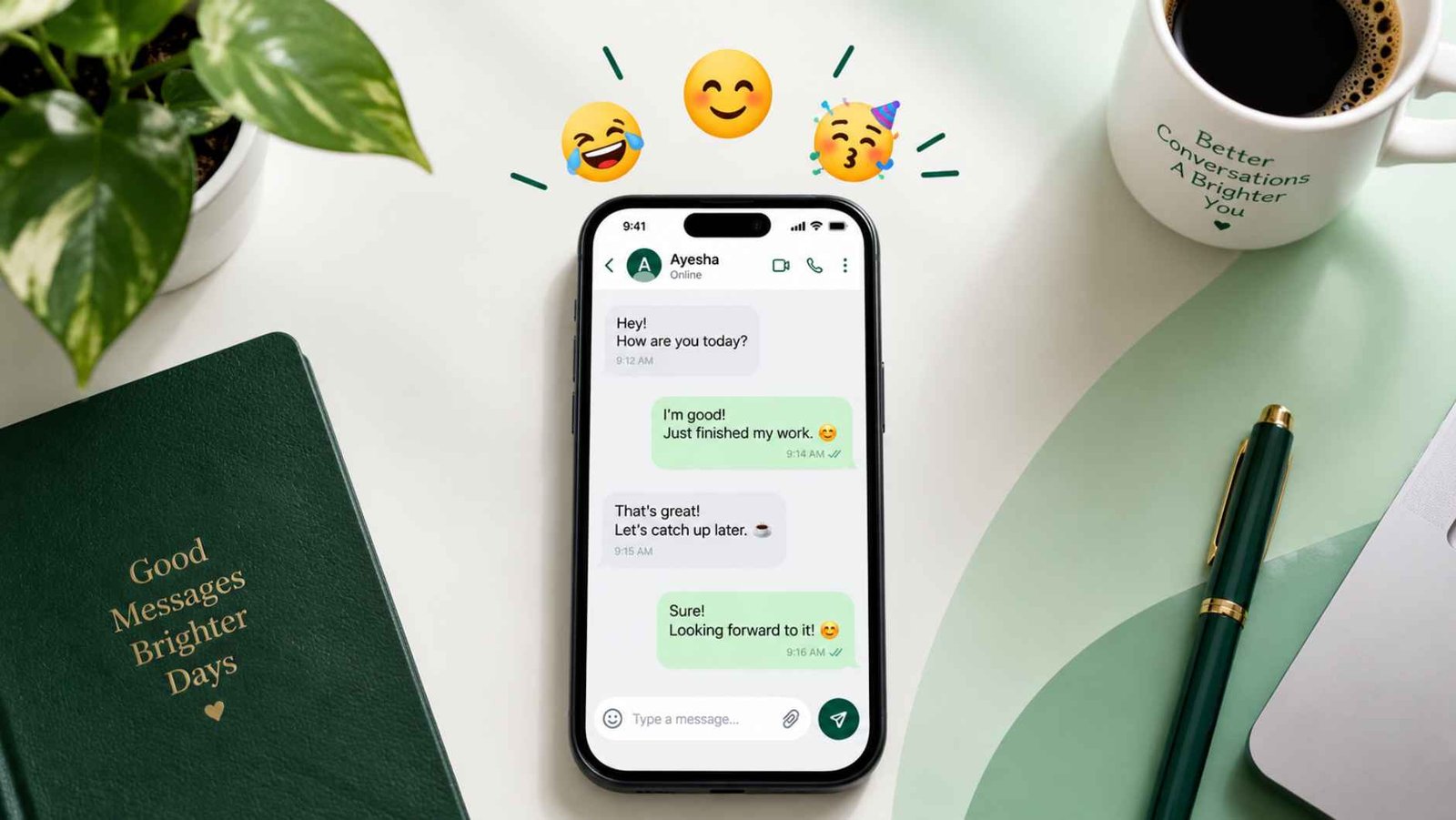
You type out three sentences trying to explain how good you feel, delete all of them, and just drop one tiny face instead. That’s the quiet magic of a good reaction it says everything words keep tripping over.
This guide breaks down what a happy emoji meme actually means, how to use one without it feeling forced, and which combos people are copy pasting right now. If you’ve ever wondered whether your happy emoji meme landed the way you hoped, keep reading it’s all here.
What do happy emoji meme mean?
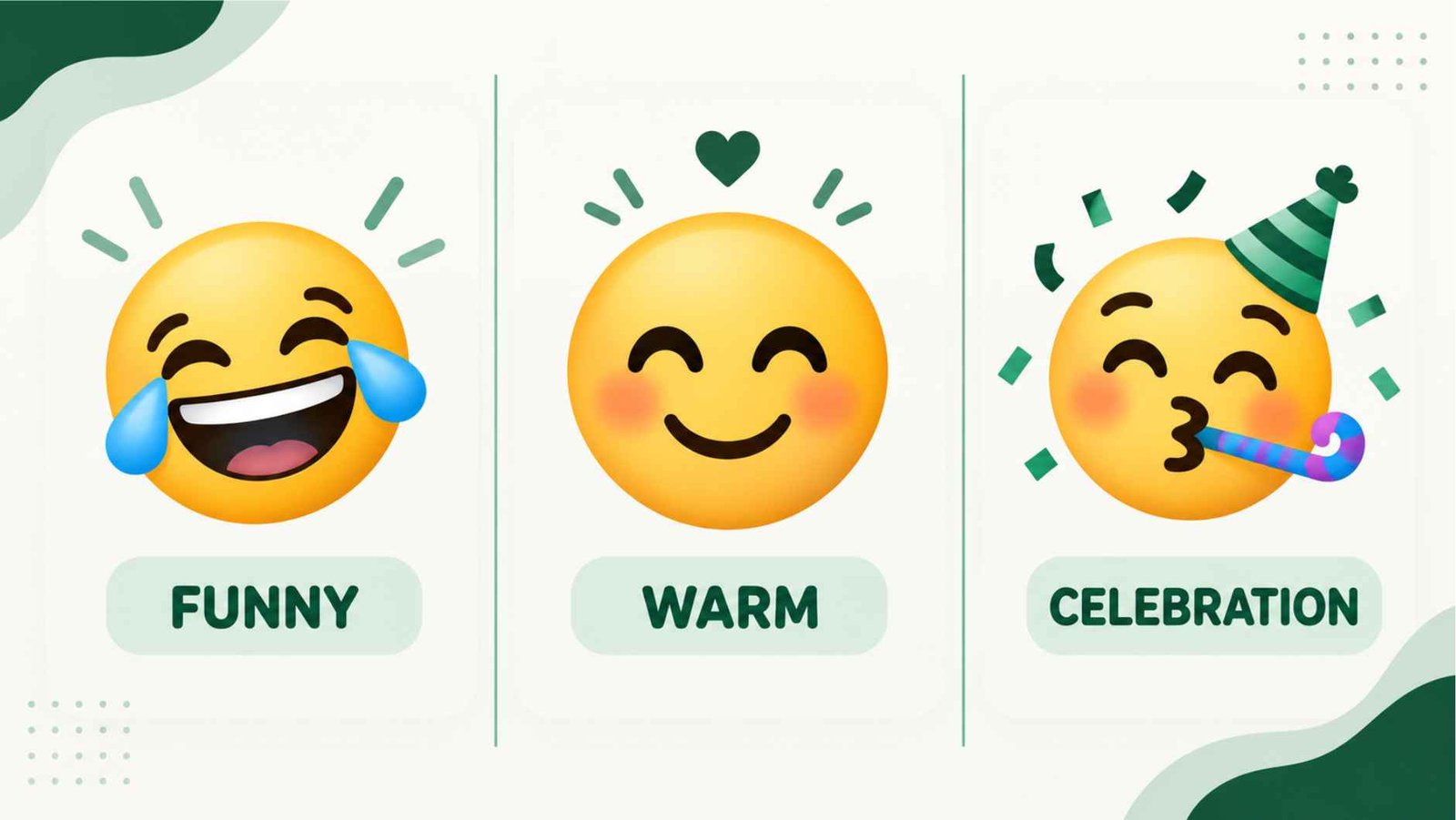
Ever sent a happy emoji meme and wondered if it actually captured what you meant? Each face carries its own emotional flavor, and picking the wrong one can flip your whole message.
How Is a Happy Emoji Meme Different From a Regular Smiley?
A regular smiley is a single face doing one job. A happy emoji meme is more like a small performance a face, sometimes paired with another, built to carry a very specific reaction rather than a generic mood. That’s why context does most of the heavy lifting here.
- 😂 signals something genuinely funny or laugh out loud hilarious
- 🤣 escalates the laughter into full, uncontrollable hysterics
- 😊 conveys warm, sincere happiness without any edge to it
- 😁 shows bright, playful excitement about good or fresh news
- 🥳 celebrates milestones, wins, and big happy occasions
- 😍 blends happiness with admiration or attraction
- 🙃 adds a playful, slightly ironic twist to joy
| Emoji | What it really says | Often misread as | Best moment to use it |
| 😂 | Something’s actually funny | Nervous laughter | Reacting to a joke or clip |
| 🤣 | Full-body, can’t-stop laughing | Overreacting | A truly wild story |
| 😊 | Quiet, genuine warmth | Passive politeness | Thanking someone for real |
| 🥳 | Celebration mode, no filter | Forced enthusiasm | Wins, birthdays, milestones |
| 😍 | Happiness plus admiration | Flirty interest | Loving a look, a photo, a moment |
Example in texting:
Friend 1: I finally passed my driving test 🥳
Friend 2: SHUT UP that’s huge 😂🎉
What Does a Happy Emoji Meme Really Mean in Texting?
In a chat thread, a happy emoji meme often carries more emotional weight than the sentence sitting right above it, softening bad news or turning up the volume on good news in an instant.
That’s really the whole point of using one at all. A single face can carry tone that plain text keeps losing in translation, especially once a conversation moves fast.
- Timing matters more than which face you actually pick
- Tone shifts depending on who sent it and why
- One emoji usually reads clearer than three stacked together
- Punctuation pairs with emoji to sharpen the intended feeling
- Reply speed changes how sincere a happy face reads
Example in chat:
Friend 1: sorry I’m running late again 😅
Friend 2: no worries at all, see you soon 😊
Happy Emoji Meme vs Regular Happy Emoji: What’s the Difference?
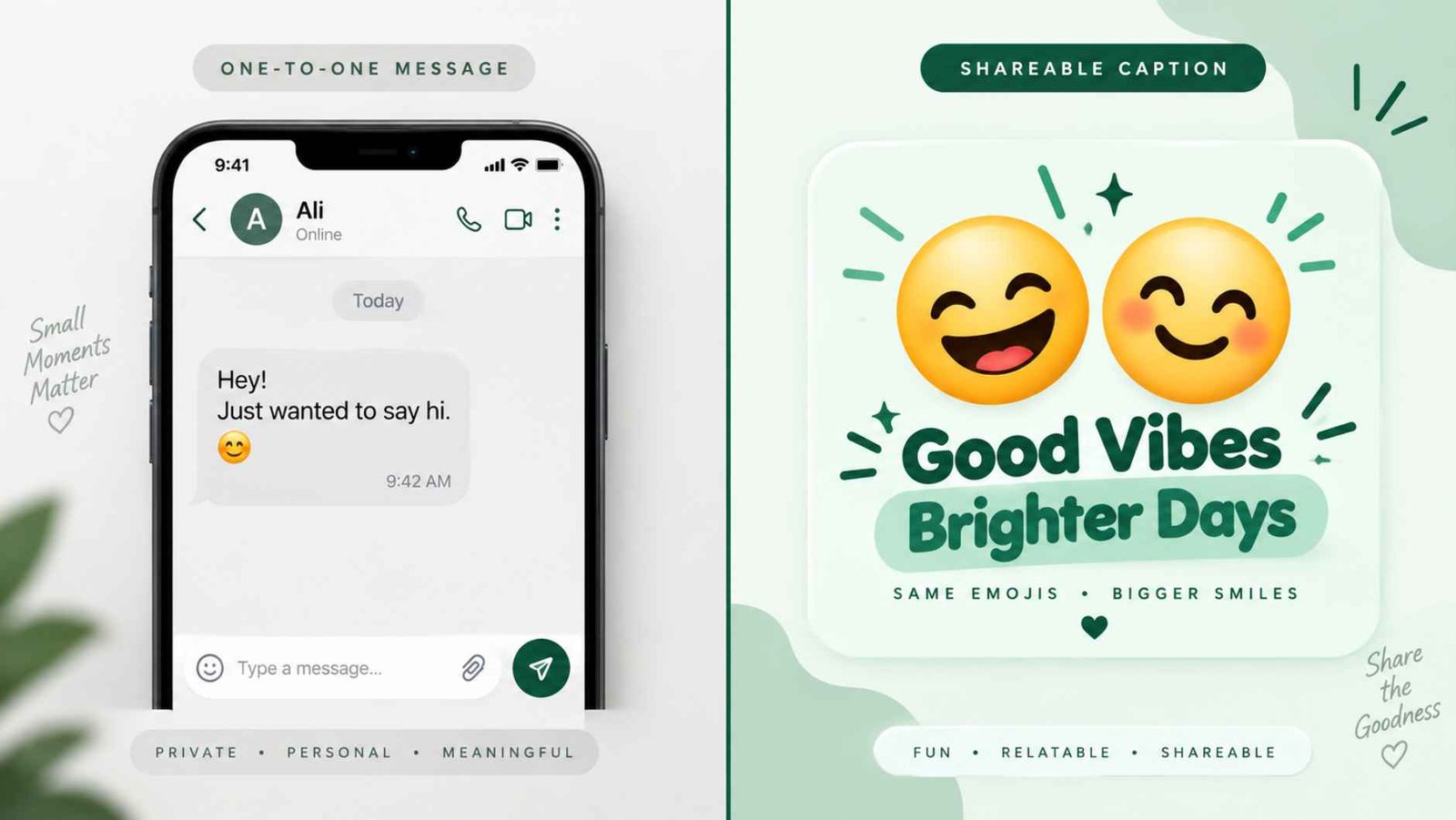
Not every smiling face is doing the same job. Some are quiet and sincere, others are loud and meant to be shared, and mixing them up changes how your happy emoji meme actually reads.
A regular happy emoji, like a plain 😊 dropped at the end of a text, is personal and low key. A happy emoji meme, on the other hand, is usually built for reaction, screenshots, captions, or a group chat moment it’s meant to be noticed, not just felt quietly.
- Regular emoji work best in one-on-one, low-stakes messages
- Meme-style combos thrive in captions, comments, and group chats
- Repetition (😂😂😂) signals meme energy, not sincerity
- Single faces usually mean something more personal or genuine
- Context clues, like a screenshot or caption, hint at meme intent
Worth noting too: emoji meaning doesn’t stay in one lane. Just as a happy face shifts tone depending on where it lands, symbols tied to belief and reverence carry their own layered meaning, which is why understanding what the god emoji is really trying to say makes a useful comparison for how differently emoji families can read.
How to use happy emoji meme the right way
Getting a happy emoji meme right isn’t about knowing every face it’s about matching the emoji’s energy to the actual moment, so your message lands exactly the way you meant it.
How Is a Happy Emoji Meme Used Across Different Apps?
Every platform reads happiness a little differently. What feels natural on one app can feel slightly off on another, so it helps to think about where you’re posting before you pick a face.
- WhatsApp favors sincere, close-contact happiness like 😊 and 🥰
- Instagram leans toward polished, aspirational faces like 😍 and 🤩
- TikTok rewards humor-first reactions like 🤣 and 🙃
- Group chats tolerate stacked combos better than one-on-one texts
- Captions benefit from one clear emoji over several competing ones
- DMs usually read best with a single, sincere happy face
Example in texting:
Friend 1: we got the apartment!! 🥳🎉
Friend 2: I’m SO happy for you both 😊
Best Happy Emoji Meme for Instagram, WhatsApp and TikTok
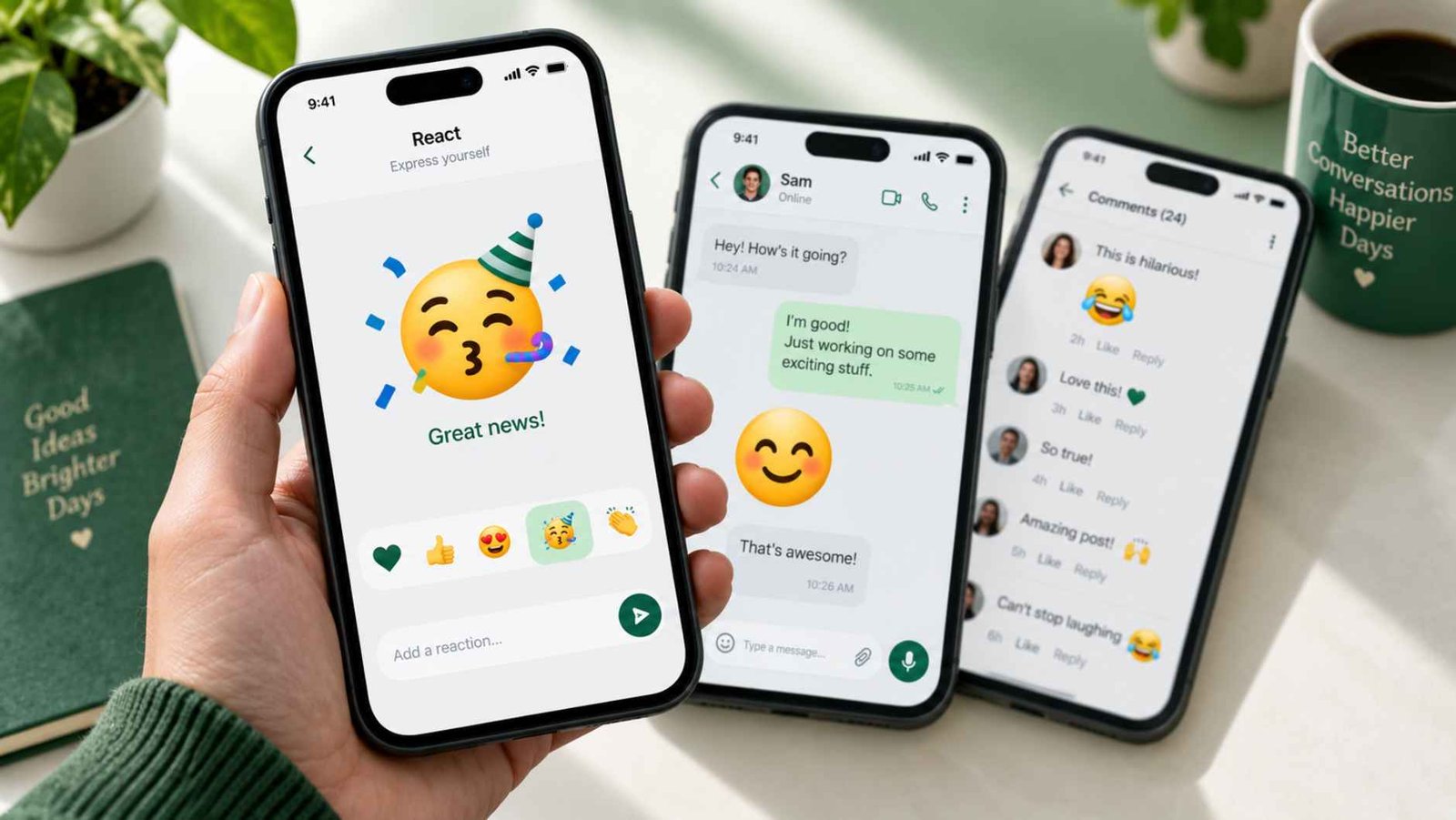
Choosing the right happy emoji meme for the platform you’re posting on genuinely changes how the post feels, since each app has developed its own unspoken emoji personality over time.
Instagram rewards a curated, aspirational feel, so faces like 😍 and 🤩 tend to outperform anything too chaotic. WhatsApp, by contrast, is closer to a real conversation, which is why warmer, gentler faces feel more natural there. TikTok sits somewhere else entirely, thriving on irony and instant reaction.
| Platform | Best happy emoji meme picks | Why it works |
| 😍 🥳 🤩 | Polished, celebratory, photo-friendly | |
| 😊 🥰 😅 | Personal, sincere, conversational | |
| TikTok | 🤣 🙃 😆 | Humor-driven, ironic, meme-ready |
- Instagram captions pair well with one strong happy emoji, not several
- WhatsApp replies feel warmer with 😊 than with stacked combos
- TikTok comments reward 🤣 far more than a plain 😊
- Story reactions favor quick, expressive faces like 😍 or 🥳
- Bio taglines work best with a single, recognizable happy emoji
Why Do People Use Happy Emoji Memes So Much Online?
A happy emoji meme fills a gap that plain text just can’t, letting people express a whole reaction instantly without stopping to find the right words for it.
Part of it is speed. Typing “that’s hilarious” takes longer than tapping 😂, and the emoji often communicates the reaction more precisely anyway. Part of it is also connection people respond to faces faster than they respond to sentences, which is exactly why happy emoji spread so easily across group chats and comment sections.
- Speed beats typing out a full emotional reaction every time
- Universality helps a happy face translate across language barriers
- Screenshots spread emoji reactions faster than typed responses
- Group chats reward quick, visual reactions over long replies
- Comment sections favor short, expressive emoji over full sentences
Best happy emoji meme combos copy & paste
Sometimes one emoji isn’t quite enough, and pairing two happy emoji meme faces together captures a mood that a single face can’t fully carry on its own.
Romantic
😍😊 for telling someone they made your whole day
🥳😂 for celebrating an inside joke together
😆😍 for banter that’s playful but genuinely sweet
Cute
😊🙃 for a soft, low-key hello
😁😍 for reacting to something adorable
😄🥳 for celebrating small shared wins
Flirty
😍🙃 for teasing someone you’re into
😆😊 for a playful compliment
🥳😍 for hyping up their look or energy
Missing someone
😅😍 for it’s been too long, missed you
🙃😊 for a bittersweet wish you were here
😂🥳 for remembering a good shared memory
Good night
😊🙃 for a warm, easy goodnight
😄😊 for ending the day on a happy note
🥳😅 for closing out a long but good day
Example in chat:
Friend 1: today was actually kind of perfect 😊
Friend 2: right? goodnight, sleep well 🙃
Common Happy Emoji Meme Mistakes to Avoid
Even a well-meaning happy emoji meme can land wrong if it’s used at the wrong moment, and small mistakes here are surprisingly easy to make without noticing.
The most common trip-up is stacking too many faces at once, which dilutes the emotion instead of amplifying it. Another is picking an emoji that clashes with the actual news being shared, like using 🙃 when you mean pure joy, since that face reads as ironic rather than happy.
- Overloading a message with five different happy faces at once
- Using 🙃 when you actually mean sincere, uncomplicated joy
- Repeating the same emoji so often it loses its impact
- Ignoring platform tone, like sending TikTok-style combos in a work chat
- Skipping context, which makes a happy face feel random or out of place
Example in texting:
Friend 1: just got some really good news 😊
Friend 2: don’t leave me hanging, what happened?? 😄
When Should You Use a Happy Emoji Meme in a Conversation?
Timing decides whether a happy emoji meme feels natural or feels like it’s trying too hard, and there’s usually a clear window where it genuinely fits the moment.
The safest rule is to let the emoji follow the emotion, not replace it. If the news is small, one soft face works better than a celebratory stack. If it’s a real milestone, a bigger combo actually earns its place.
- Right after good news, to reinforce the feeling instantly
- Closing out a warm exchange, like a goodnight or thank you
- Reacting to a joke, where 😂 or 🤣 fits naturally
- Softening a light apology, paired with 😅 rather than 😊
- Celebrating a milestone, where a combo feels earned, not forced
Happy Emoji Meme Ideas for Captions and Bios
A caption or bio only has a few seconds to make an impression, so the right happy emoji meme can do a lot of work in a very small space.
Short, single-emoji captions tend to perform better than cluttered ones, since Instagram and TikTok audiences scroll fast and rarely pause to decode a crowded string of faces. Bios benefit even more from restraint, since one well-placed happy face reads as intentional rather than random.
- Keep captions to one or two happy emoji, not five
- Match the emoji to the actual photo or moment shown
- Use 🥳 for milestone posts like birthdays or achievements
- Use 😍 for aesthetic or admiration-driven captions
- Save combos for stories rather than permanent bio text
Trending happy emoji meme in 2026
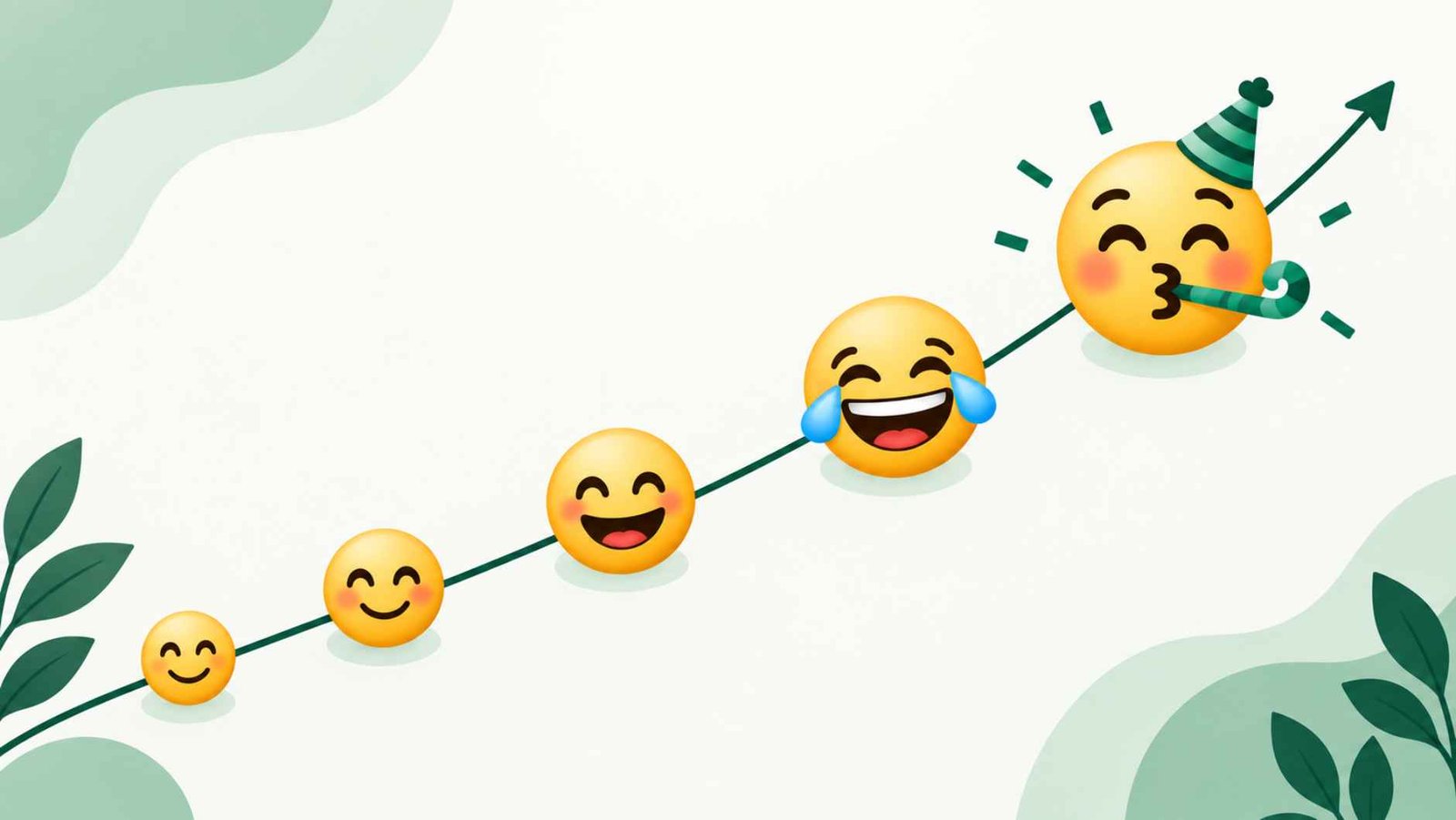
Some faces from this list are clearly having a bigger moment than others right now, and the shift says a lot about how casual online celebration has become.
What’s Driving Happy Emoji Meme Trends Right Now?
🥳 has quietly become the default for celebrating everyday wins, not just major milestones, reflecting a broader shift toward treating small good moments as worth marking publicly. 🙃 is picking up steam with younger users who like layering a bit of irony into an otherwise happy message, while 🤣 keeps dominating meme captions because it reads as effortless. 😅 continues to soften happy news with a touch of humility, and 🥰 keeps growing as the go-to for warmth in close, personal chats.
| Emoji | Why it’s trending | Typical platform |
| 🥳 | Used for everyday wins, not just big events | Instagram, WhatsApp |
| 🙃 | Adds playful irony to a happy message | TikTok |
| 🤣 | Feels effortless in meme and reaction culture | TikTok, Instagram |
| 😅 | Balances good news with humility | |
| 🥰 | Signals warmth in close, personal chats | WhatsApp, Instagram |
- Everyday celebration is replacing save-it-for-big-moments emoji use
- Irony-tinged joy is growing fastest among younger users
- Meme captions still lean heavily on 🤣 over any alternative
- Personal warmth keeps 🥰 climbing in one-on-one chats
- Platform habits continue to shape which happy face feels current
FAQs:
1. What is the most popular happy emoji meme?
😂 remains the most widely used, with 🤣 and 🥳 close behind depending on the platform and moment.
2. What does 😊 mean from a girl or boy?
It generally signals genuine warmth from either sender, though the intensity often depends on the relationship and the surrounding conversation.
3. Why do emojis look different on iPhone vs Android?
Apple and Google design their own emoji artwork separately, so the same face can render with different shapes and expressions across devices.
4. Are happy emoji meme used differently in other countries?
Yes, cultural background shapes how a happy face reads, since some regions treat certain emoji as more sincere and others as more sarcastic.
5. Can you use a happy emoji meme in a work chat or professional email?
A subtle happy emoji meme like 😊 usually works fine in casual workplace chats, but stacked combos rarely belong in formal emails.
6. What’s the difference between a happy emoji and a happy emoji meme?
A single happy emoji feels personal and sincere, while a happy emoji meme is usually built for reaction, captions, or sharing.
7. Do happy emoji memes mean the same thing in group chats vs one-on-one texts?
Not always. A happy emoji meme often reads bigger and more performative in group chats than it does in a private one-on-one text.
Conclusion:
At the end of the day, a happy emoji meme is just a small, honest way of saying how you feel without overthinking every word. Whether it’s 😂 for a joke that actually landed or 🥳 for a win worth celebrating, these tiny faces carry real emotional weight once you know how to read them.
The best approach is simple: match the emoji to the actual feeling, keep combos for moments that genuinely earn them, and let platform tone guide your choices. Next time you’re about to type out a whole explanation, try trusting one well-placed happy emoji meme instead it might say exactly what you meant, faster than any sentence could.

Daniel Parker is an English language writer sharing clear grammar lessons, practical tips, and helpful examples for learners.










1 thought on “Happy Emoji Meme Meaning: The Real Joy Behind Every Smile”