
Introduction
You typed “god emoji” into your keyboard search bar, half expecting a glowing halo or a lightning bolt from the sky, and got 🛐 instead. It feels a little underwhelming at first, like ordering something specific and getting the closest substitute. That confusion is exactly why so many people search for god emoji every single day.
This guide breaks down the real god emoji meaning, where it came from, and how millions of people actually use it in prayer texts, gratitude posts, and WhatsApp statuses. You’ll also find copy-paste combos, aesthetic caption ideas, and answers to the questions everyone quietly Googles about this tiny purple symbol. Keep scrolling, because the answer is more interesting than a simple picture.
What does God Emoji Mean?
There’s no official god emoji in Unicode, so people search for emoji for god and land on 🛐, a place of worship symbol that’s quietly become the internet’s go-to stand-in for faith.
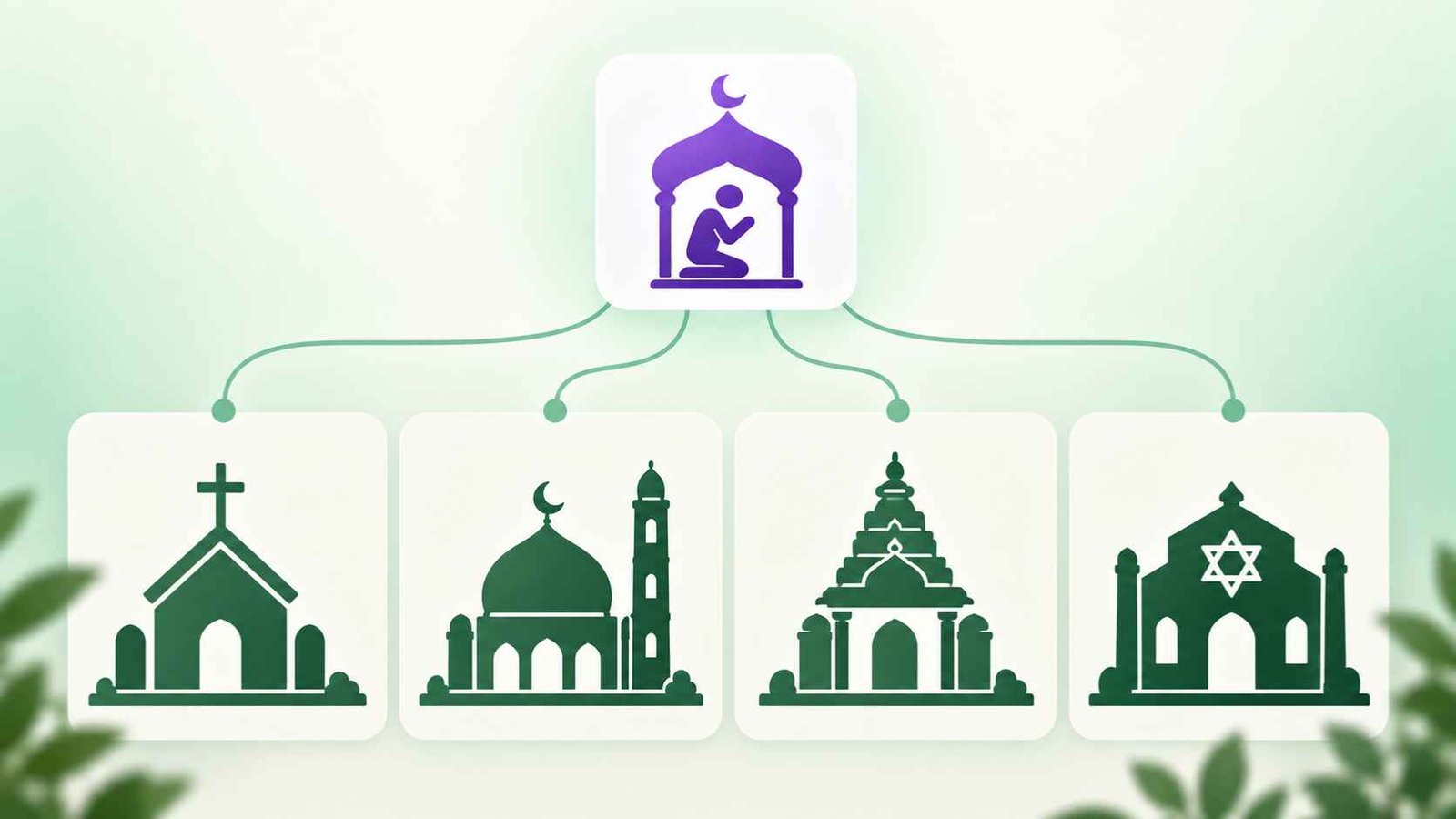
Officially, 🛐 was added under the name “place of worship” in 2015, meant to represent any building of worship, not a deity itself. But language on the internet moves faster than official naming conventions. People needed something that felt sacred and reverent, and this little kneeling figure under a roofline fit the emotional gap perfectly.
How Is the God Emoji Interpreted Across Cultures?
- Christians often use it beside 🙏 or ✝️ in prayer requests and church posts
- Muslims pair it with 🕌 to reference mosque visits or Friday prayers
- Hindus sometimes use it alongside 🕉️ for temple or puja references
- Jewish users combine it with ✡️ for synagogue mentions and holiday greetings
- Non-religious users use it loosely to mean “blessed” or “grateful” without any specific faith tied to it
Real-life examples
People use this symbol far beyond formal religious contexts, and that flexibility is exactly why the god emoji keeps trending across every platform.
| Context | Typical Usage | Emotion Conveyed |
| Instagram caption | “Sunday mornings 🛐” | Peace, gratitude |
| Twitter/X reply | “Praying for you 🛐🙏” | Support, empathy |
| WhatsApp status | “Blessed beyond words 🛐✨” | Thankfulness |
| TikTok comment | “This gave me chills 🛐” | Reverence, awe |
Example in texting:
Friend 1: Got the job offer this morning!
Friend 2: 🛐🙏 so happy for you, truly blessed
God Emoji Symbolism Across Different Religions
Faith looks different everywhere, yet one small symbol somehow bridges all of it. Understanding the god emoji across religions shows why it earns such heavy daily use worldwide.

What Does the God Emoji Represent in Different Faith Traditions?
- Universality is the emoji’s biggest strength, since it avoids favoring one religion
- Churches, mosques, and temples all fall under its single visual umbrella
- Interfaith couples and families often use it precisely because it’s neutral
- Meditation communities borrow it to represent quiet reflection, not just organized religion
- Airports and travel apps even use it to mark multi-faith prayer rooms
| Religion | Common Pairing | Meaning Added |
| Christianity | 🛐 + ✝️ + 🙏 | Prayer, church, salvation |
| Islam | 🛐 + 🕌 + ☪️ | Mosque, salah, faith |
| Hinduism | 🛐 + 🕉️ + 🪔 | Temple, dharma, puja |
| Judaism | 🛐 + ✡️ + 🕎 | Synagogue, Shabbat, heritage |
Example in chat:
Friend 1: How was the mosque visit today?
Friend 2: Beautiful 🛐 felt so at peace
How to use God Emoji Emojis
Most people freeze up wondering if 🛐 fits their message, but the truth is this god emoji works in almost any moment tied to faith, hope, or heartfelt thanks.
How Is the God Emoji Used in Everyday Conversations?
- Send it after sharing good news to credit a higher power
- Add it to condolence messages to signal quiet, respectful support
- Use it in morning routines as a caption for reflection or gratitude
- Drop it into group chats when someone shares a prayer request
- Pair it with thank you texts to deepen sincerity without extra words
Prayer Messages
Prayer is where this emoji feels most at home, since it visually echoes someone kneeling in devotion.
- Open a prayer request with 🛐 to set a respectful tone
- Close a message of support with 🛐🙏 for warmth
- Combine it with a Bible verse or quote for emphasis
- Avoid overusing it in casual jokes, since it can feel disrespectful
- Send it solo when words genuinely feel insufficient
Example in texting:
Friend 1: Please keep my mom in your prayers tonight
Friend 2: Always 🛐 sending strength your way
Gratitude Posts
Gratitude captions get a quiet emotional lift when 🛐 sits beside the right words, especially when people want their thankfulness to feel deeply felt rather than generic.
- Pair it with “grateful” or “blessed” for maximum impact
- Use it at the end of milestone posts like graduations or promotions
- Add a personal detail before the emoji so it doesn’t feel templated
- Keep captions short, since the emoji carries emotional weight on its own
- Try comparisons for extra feeling, the same way these simile examples for something important show how a strong comparison makes gratitude land harder than plain adjectives
Religious Captions
Captions built around faith need to feel personal, not preachy, and this god emoji helps strike that balance without extra explanation.
| Caption Style | Example | Best Platform |
| Short and simple | “Faith over fear 🛐” | |
| Reflective | “Still learning to trust the process 🛐” | |
| Celebratory | “Answered prayers 🛐✨” | TikTok |
Example in chat:
Friend 1: Loved your caption today
Friend 2: Thank you, felt right to add 🛐 there
Celebration Messages
Big wins deserve acknowledgment, and this symbol adds a reverent touch to congratulations without sounding overly formal.
- Attach it to graduation, wedding, or baby announcement posts
- Combine with 🎉 for a mix of joy and gratitude
- Use in family group chats to mark shared milestones
- Send after exam results as a nod to relief and thanks
- Keep the tone warm rather than performative
What Does 🛐 Really Mean in Texting?
Texting strips away tone, so a tiny symbol like this one has to carry real emotional weight, which explains why god emoji text searches keep climbing every month.
- In texting, 🛐 usually signals sincerity, not sarcasm
- It softens heavy news by adding a respectful pause
- Friends use it to say “I’ve got you” without typing a full sentence
- It rarely appears in joking or sarcastic exchanges, since the tone would clash
- Gen Z increasingly uses it as shorthand for gratitude, even outside religious talk
| Text Received | What 🛐 Usually Means |
| “Test results came back clean 🛐” | Relief, thankfulness |
| “Miss you every day 🛐” | Longing paired with hope |
| “We got the house!! 🛐🎉” | Joy plus gratitude |
Example in texting:
Friend 1: Surgery went well, she’s resting now
Friend 2: 🛐 thank god, keep us posted
Best Emoji Combinations for Copy Paste
Nobody wants to hunt through five different keyboards mid-conversation, so here’s a ready set of combos built around the god emoji for every mood and message.
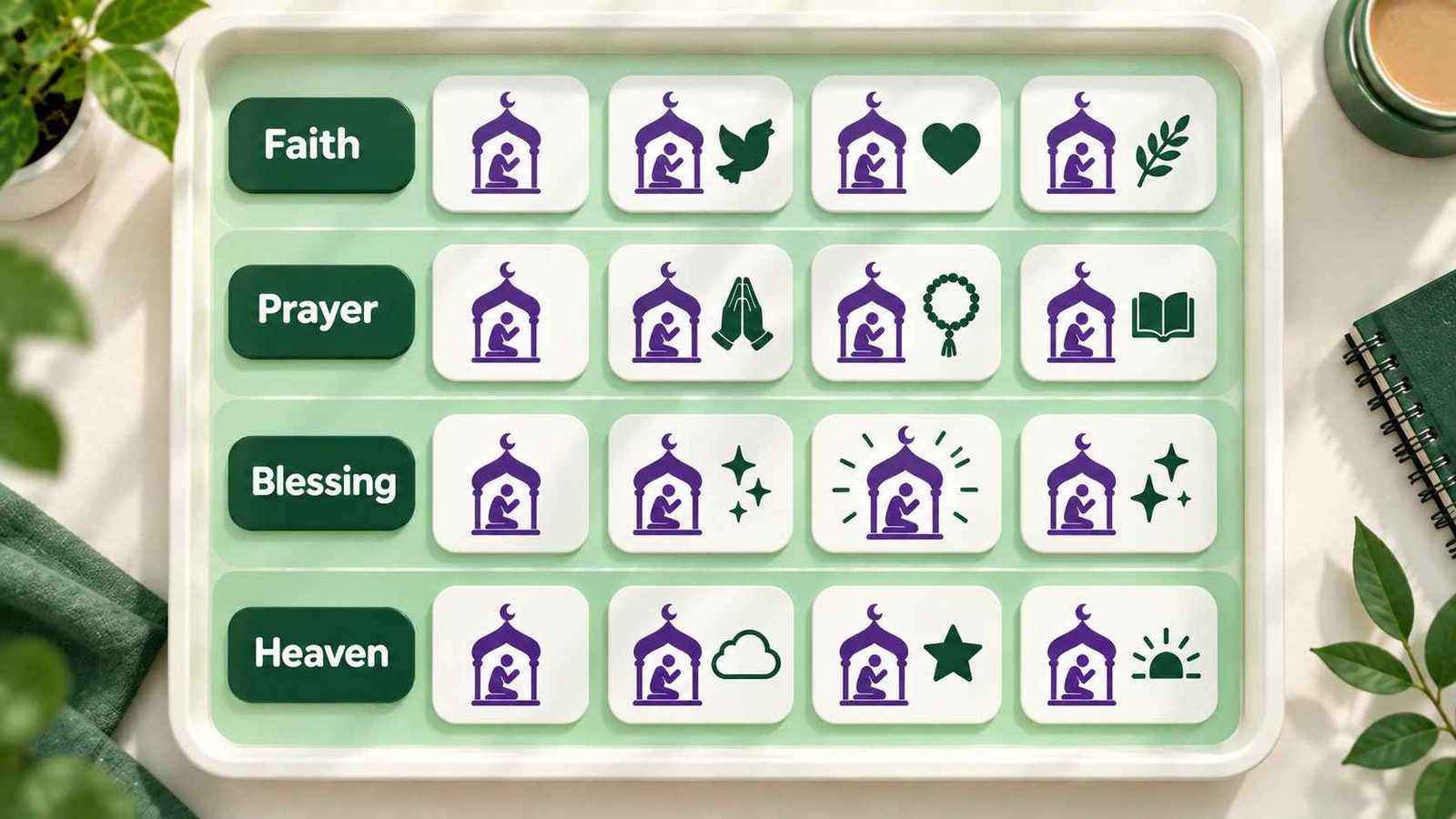
Faith Combinations
| Combo | Meaning |
| 🛐🙏✨ | Faith and gratitude together |
| 🛐📿 | Devotion and prayer beads |
| 🛐🕊️ | Peace through faith |
| 🛐💛 | Warm, hopeful belief |
Prayer Combinations
- 🛐🙏 for a direct, simple prayer message
- 🛐🕯️ to add a candlelight, reflective tone
- 🛐📖 when referencing scripture or sacred texts
- 🛐💫 for prayers tied to hope and miracles
Blessing Combinations
- 🛐✨ for “blessed” captions
- 🛐🌸 for softer, gentle blessing messages
- 🛐🌟 to highlight a standout blessing or answered prayer
- 🛐💐 for blessings shared during celebrations
Heaven-Themed Combinations
- 🛐☁️ for peaceful, heaven-related reflections
- 🛐👼 for remembrance or tribute posts
- 🛐🌤️ for hopeful, uplifted tones
- 🛐⭐ for guidance and comfort themes
Which God Emoji Combo Works Best for Instagram?
For Instagram specifically, shorter combos like 🛐✨ or 🛐🙏 consistently outperform longer strings, since captions with fewer symbols read as more genuine and less staged.
Example in chat:
Friend 1: What should I caption this sunset with my grandma?
Friend 2: Try “🛐🌅 grateful for this moment”
God Emojis Copy and Paste 🙏✨
Copying the right symbol matters more than people expect, since a wrong character can look broken on certain devices. Here’s the clean, ready-to-paste set for this emoji for god search.
| Emoji | Name | Unicode |
| 🛐 | Place of Worship | U+1F6D0 |
| 🙏 | Folded Hands | U+1F64F |
| ✝️ | Latin Cross | U+271D |
| 🕌 | Mosque | U+1F54C |
| 🕍 | Synagogue | U+1F54D |
| 🛕 | Hindu Temple | U+1F6D5 |
| 📿 | Prayer Beads | U+1F4FF |
How Do You Copy and Paste These Symbols Correctly?
- Highlight the emoji directly from a trusted source rather than screenshots
- Paste it into a notes app first to confirm it renders correctly
- Avoid copying from PDFs, which sometimes corrupt the character
- Test it on the platform you plan to post to before finalizing
Example in texting:
Friend 1: Can you send me that emoji you used earlier?
Friend 2: 🛐 here you go, just copy this
God Emoji vs Other Religious Emojis (🙏 🕌 ✝️ 🛐)
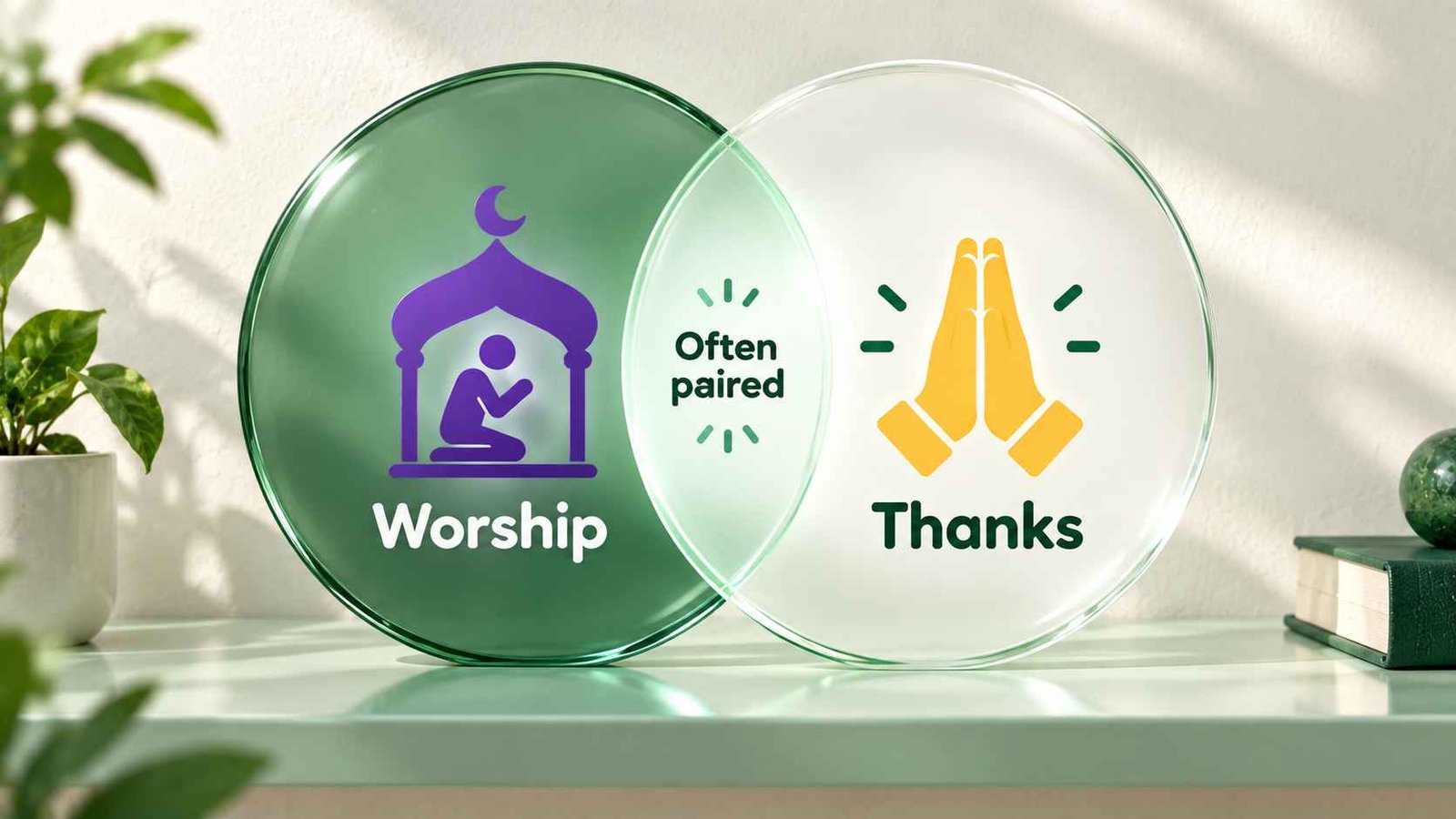
People often confuse 🛐 meaning with 🙏, but they aren’t interchangeable, and knowing the difference keeps your message accurate instead of just close enough.
| Emoji | Official Name | Best Used For |
| 🛐 | Place of Worship | Buildings, general faith, prayer spaces |
| 🙏 | Folded Hands | Please, thank you, prayer gesture |
| ✝️ | Latin Cross | Christianity specifically |
| 🕌 | Mosque | Islam specifically |
Is 🙏 the Same as the God Emoji?
Not exactly. 🙏 is officially “folded hands” and leans toward gratitude or a request, while 🛐 leans toward worship and sacred space, even though both frequently appear together in the same message.
Example in chat:
Friend 1: Should I use 🙏 or 🛐 for my prayer post?
Friend 2: Use both honestly, they complement each other
Aesthetic Emoji Ideas for Social Media
Aesthetic doesn’t mean complicated. The cleanest god emoji captions usually pair one symbol with a short, honest sentence rather than a cluttered emoji chain.
Instagram Bio Ideas
- “Faith over everything 🛐”
- “Chasing peace, not perfection 🛐✨”
- “Grateful heart, grounded soul 🛐”
- “Rooted in belief 🛐🌱”
TikTok Caption Styles
- “POV: your prayers actually got answered 🛐”
- “This is your sign to keep believing 🛐”
- “Faith carried me through 2026 🛐”
- “Not me crying over this blessing 🛐😭”
WhatsApp Status Ideas
WhatsApp remains one of the top places people search god emoji in whatsapp, mostly because statuses feel more private and personal than public feeds.
- “Trusting the timing of my life 🛐”
- “Thankful for another sunrise 🛐”
- “Prayers up for everyone struggling right now 🛐”
- “Small blessings, big gratitude 🛐”
What Makes a God Emoji Caption Aesthetic?
Aesthetic captions stay short, feel personal, and avoid stacking more than two or three emojis, letting 🛐 carry emotional weight instead of visual clutter.
Example in texting:
Friend 1: Your status hit different today
Friend 2: Needed to remind myself of that 🛐
Why Do People Use the God Emoji Online?
Online spaces move fast, and words alone sometimes feel too plain for genuinely emotional moments, which is exactly the gap this god emoji quietly fills.
- It expresses sincerity faster than typing out a full sentence
- It signals respect during sensitive or emotional conversations
- It creates a sense of community among people who share the same faith
- It works as emotional shorthand when words feel inadequate
- It bridges generational gaps, since both older and younger users understand it instantly
Example in chat:
Friend 1: Everyone in the group has been so supportive
Friend 2: 🛐 this community really shows up
God Emoji Meaning in WhatsApp and Text Messages
Rendering issues cause more confusion than the actual meaning does, especially for anyone typing god emoji text messages across different phone brands.
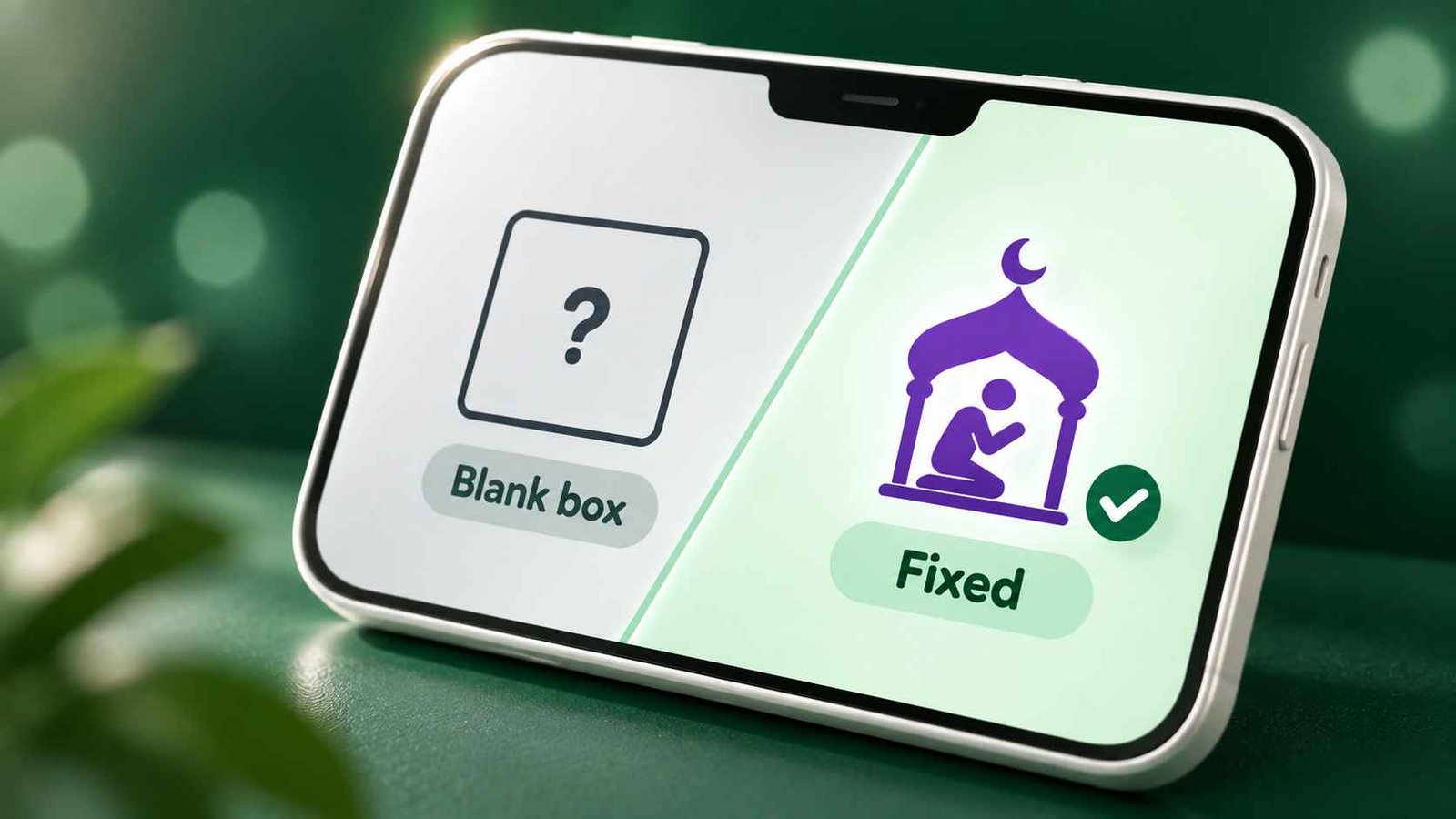
| Platform | How 🛐 Appears |
| iPhone (iOS) | Purple building with kneeling figure |
| Android (Google) | Simplified purple icon, similar shape |
| Uses the sender’s native OS emoji | |
| Windows | Slightly flatter, boxier rendering |
- Check your keyboard settings if the emoji shows as a blank box
- Update your device software if older emoji sets are missing symbols
- Search “place of worship” in your emoji keyboard if “god” returns nothing
- Confirm the recipient’s device supports the same emoji version
Example in texting:
Friend 1: Your emoji showed up as a weird box
Friend 2: Try updating your phone, mine shows 🛐 fine
Common Problems and Solutions
Confusion around this symbol is more common than people admit, so here are the honest answers to what everyone actually wants to know.
Why is there no official God Emoji?
Unicode intentionally avoids creating symbols tied to one specific deity, since it aims for global neutrality across every religion and belief system.
Why do emojis look different on devices?
Each company, Apple, Google, Samsung, and Microsoft, designs its own emoji artwork, so the same Unicode character can look visually different everywhere.
Why does my emoji not appear correctly?
Outdated software is the most common cause. Updating your operating system usually restores missing or broken emoji rendering immediately.
Which emoji is closest to representing God?
🛐 remains the closest match people rely on, since it’s the only Unicode symbol directly tied to worship and spiritual reverence.
When Should You Use the God Emoji in a Conversation?
Timing matters more than people realize, since dropping this symbol into the wrong moment can feel jarring or oddly out of place.
- Use it when someone shares genuinely good news worth crediting to faith
- Use it during difficult moments that call for quiet support
- Avoid it in sarcastic or joking exchanges, where it feels mismatched
- Use it in reflective, personal captions rather than promotional content
- Save it for moments that feel sincere, not performative
Example in chat:
Friend 1: Not sure if this moment needs an emoji at all
Friend 2: A simple 🛐 says more than a paragraph would
History and Origin of the God Emoji (🛐)
Every symbol carries a backstory, and this one’s origin explains exactly why it never officially says “God” anywhere in its name.
| Detail | Information |
| Official Name | Place of Worship |
| Unicode Version | 8.0 |
| Year Introduced | 2015 |
| Category | Symbols, Religion |
Why Was This Symbol Chosen to Represent Faith?
Unicode designed it as a generic place of worship icon covering churches, mosques, temples, and synagogues equally, never intending it to represent a single deity or religion.
Trending Emoji Usage in 2026
Emoji trends shift constantly, and 2026 has pushed this god emoji further into mainstream, non-religious use than any year before it.
- Gen Z increasingly uses it for gratitude, not strictly religious meaning
- Brands now use it cautiously in wellness and mindfulness marketing
- Podcasts and creators use it in captions about resilience and hope
- Cross-platform usage keeps rising across TikTok, Instagram, and WhatsApp equally
FAQs
What does the god emoji actually mean?
The god emoji 🛐 officially represents a place of worship, though people commonly use it for faith, prayer, and gratitude.
Is 🛐 the correct emoji to search for God?
Yes, since no official deity emoji exists, 🛐 remains the closest and most searched god emoji option available.
Can I use the god emoji in non-religious posts?
Absolutely. Many people use the god emoji casually to express thankfulness or reflection without any specific religious meaning.
Why does my keyboard not show a god emoji?
Search “place of worship” instead of “god,” since that’s the official name behind this god emoji symbol.
Does 🛐 mean the same thing on every app?
Mostly yes, though rendering differs slightly by device while the god emoji meaning stays consistent everywhere.
What’s the difference between 🛐 and 🙏?
🛐 leans toward worship and sacred space, while 🙏 leans toward gratitude, though both often appear beside the god emoji together.
Is there a plan to add an official God emoji?
Unlikely. Unicode avoids deity-specific symbols, so 🛐 will likely remain the unofficial god emoji for the foreseeable future.
Conclusion
At the end of the day, the god emoji was never meant to capture something as vast as faith itself, and maybe that’s exactly why it works. 🛐 gives people a small, respectful way to say something big, whether that’s gratitude, hope, or quiet prayer. Across WhatsApp statuses, Instagram bios, and late-night texts, this god emoji keeps showing up because words alone sometimes fall short.
Whether you’re searching for emoji for god combinations or just wondering why your keyboard doesn’t show one labeled “God,” now you know the full story behind 🛐. Next time you type it, you’ll know exactly what you’re sending, and why it lands the way it does

Daniel Parker is an English language writer sharing clear grammar lessons, practical tips, and helpful examples for learners.










1 thought on “God Emoji Meaning: The Real Symbol of Faith Revealed”