You just called your friend’s plan pure genious in a text, and autocorrect flagged it red before you hit send. That split-second doubt over genious or genius is one of English’s most common spelling stumbles, and it catches fluent writers as often as beginners.
This guide settles the genious or genius question right away, then covers where the word came from, how genius spelling stays fixed across British and American English, and where people slip up in emails, texts, and job applications. Keep reading and you’ll never second-guess it again.
Genious or Genius – Quick Answer
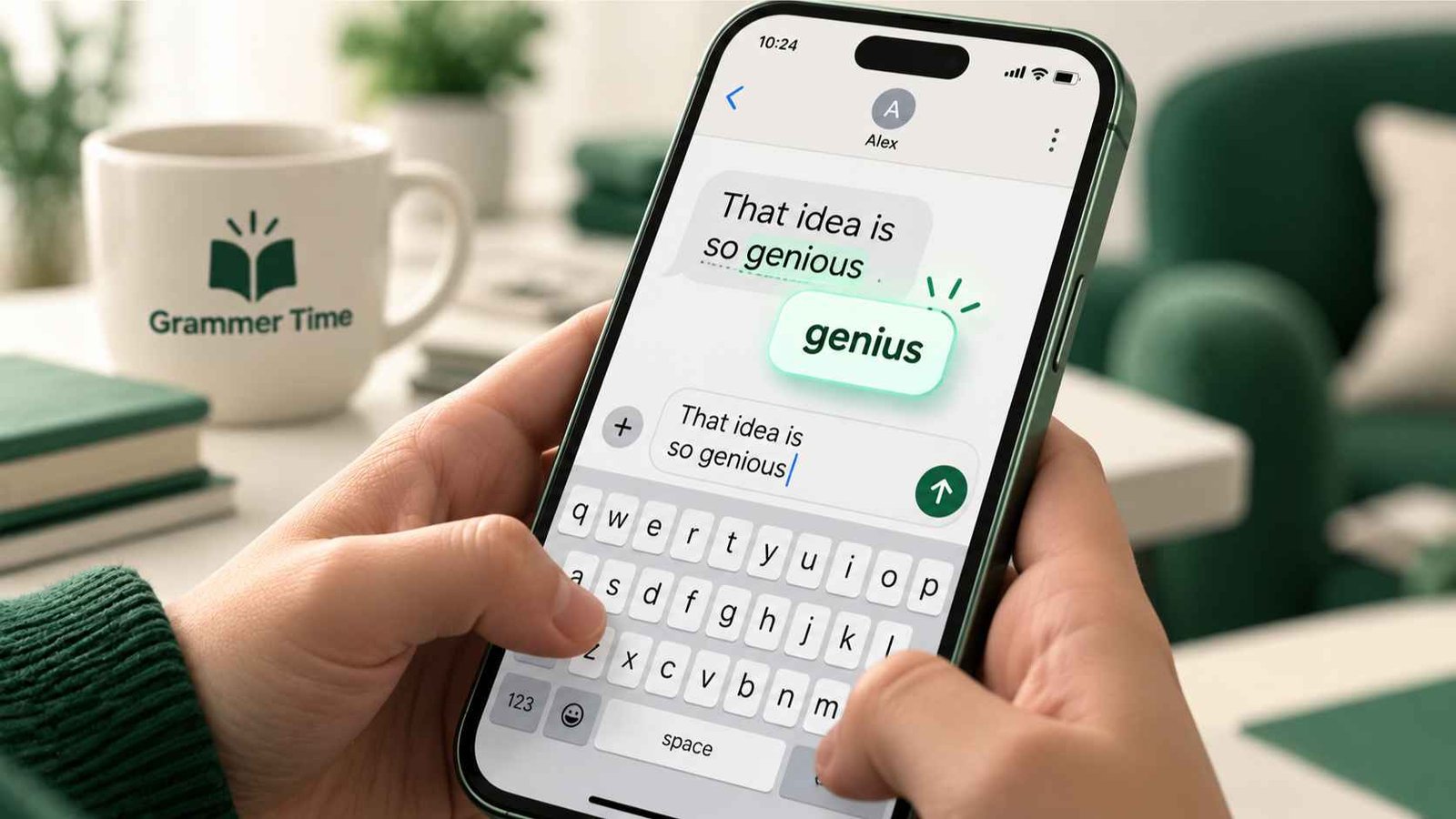
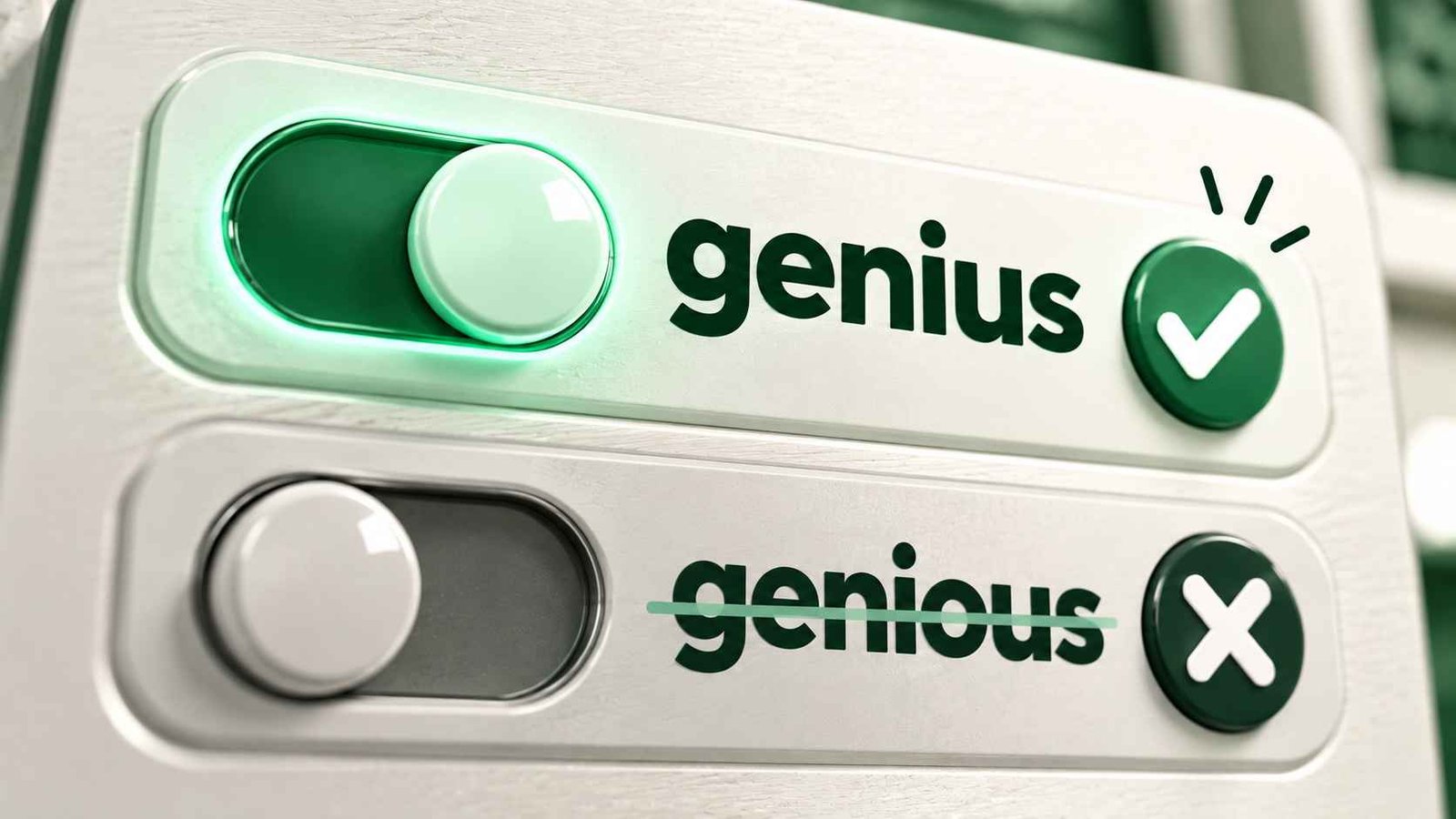
Genius is the only correct spelling. Genious does not exist in standard English, no matter how confident it looks in a fast email or a rushed text message. This is the one fact worth locking in before anything else on this page.
✅ Genius = correct
❌ Genious = incorrect, always
Examples:
- She is a math genius.
- That plan was pure genius.
- ❌ He is a genious (never correct)
Simple rule to remember:
👉 English has no standard word spelled genious. If you type it, autocorrect and every major dictionary will flag it.
Example in chat:
Friend 1: quick, genious or genius
Friend 2: genius, always genius
What Does Genius Mean?
Before you worry about genious or genius again, it’s worth knowing what genius actually describes: exceptional intelligence, natural talent, or an idea so sharp it stops you mid-scroll. Major dictionaries, including Merriam-Webster and Oxford, define it the same way: outstanding natural ability. The word covers people, ideas, and even quick fixes to everyday problems.
Is Genius a Noun, an Adjective, or Both?
- Exceptional intelligence: someone whose mind solves problems faster than most.
- Natural talent: raw skill in music, math, art, or strategy.
- Clever effectiveness: an idea or shortcut that just works.
- Noun use: “She is a genius” names the person directly.
- Informal adjective: “That’s genius” praises an idea on the spot.
- Rarely plural in speech: people don’t say “geniuses” much out loud.
- Context matters: formal writing leans noun, texting leans adjective.
Example in chat:
Friend 1: did you see how she fixed the schedule conflict in two minutes
Friend 2: pure genius, I would’ve spent all day on that
The Origin of Genious or Genius

The confusion behind genious or genius isn’t random. It comes from Latin roots colliding with English spelling habits that never quite lined up. In ancient Rome, a genius wasn’t just a smart person. It was a guiding spirit believed to shape someone’s character from birth to death.
Where Did the Genious Misspelling Come From?
- Latin root: genius meant a guiding spirit or innate nature.
- Roman belief: everyone had a personal genius shaping their fate.
- English borrowing: the spelling carried over from Latin unchanged.
- Sound-alike pattern: words like curious and serious end in “-ious.”
- False assumption: writers guess genius follows that same pattern.
- No historical basis: the misspelling has no root in etymology at all.
- Pure habit: it survives because it sounds identical when spoken.
Example in chat:
Friend 1: why doesn’t genius end in ious like curious
Friend 2: because it came straight from Latin, no -ous ending ever attached
Genius Spelling Rules: Why “-ius” Beats “-ious” Here
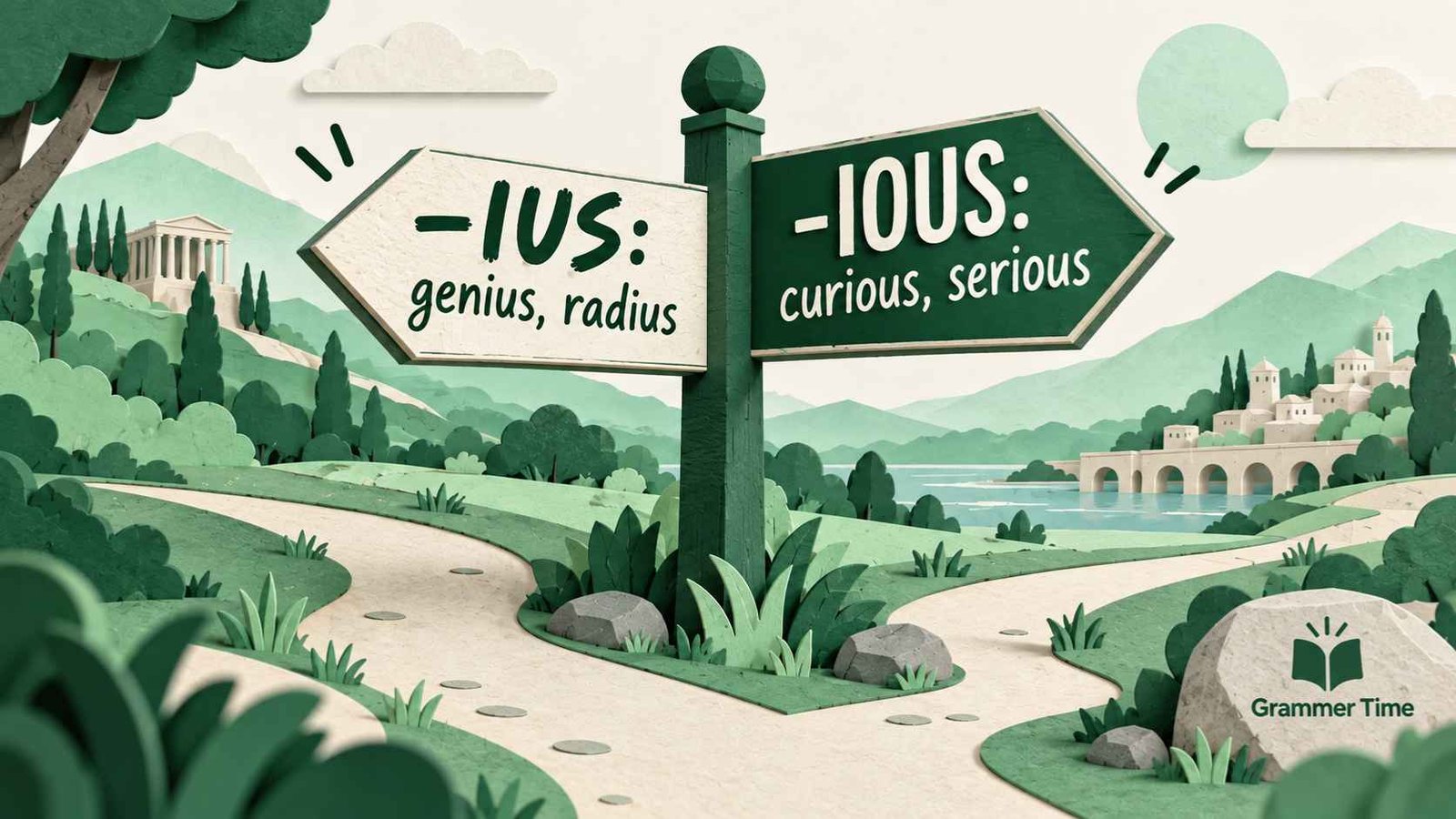
Once you see the pattern, genius spelling stops feeling random. English has a small, closed group of words ending in “-ius,” and genius sits firmly inside it. That group is short enough to memorize in one sitting, and once it clicks, the “-ious” words stop feeling like a trap.
Which Other Words End in -ius Like Genius?
| Rare “-ius” words | Common “-ious” words |
| genius | curious |
| radius | serious, religious, various, previous |
- Genius: ends in “-ius,” no exceptions, ever.
- Radius: same pattern, an easy memory partner for genius.
- Curious, serious, religious: all end in “-ious,” different family.
- Sound trap: spoken English makes both endings sound alike.
- Memory trick: pair genius with radius, not with curious.
- Spellcheck backup: most tools catch this instantly if you’re unsure.
Example in texting:
Friend 1: is it geniOUS or genius
Friend 2: genius, think radius, same ending
British English vs American English Spelling
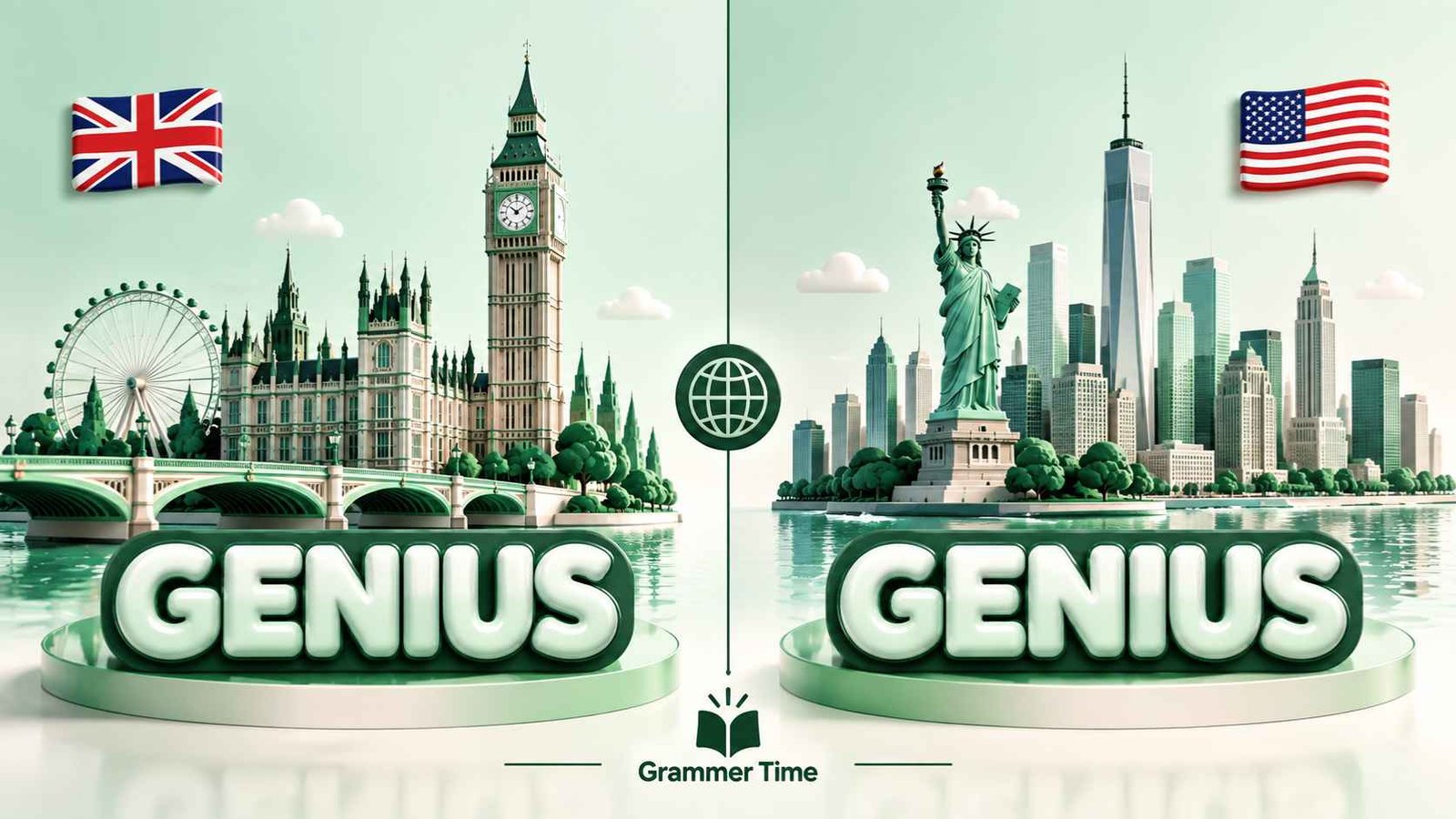
Some English words split between British and American spelling, like colour and color. Genious or genius is not one of them, and that surprises plenty of writers. That split exists because of Noah Webster’s 19th-century American spelling reforms. Genius escaped it entirely, since both sides of the Atlantic inherited the word straight from Latin.
| Region | Genius | Genious |
| American English | Correct | Incorrect |
| British English | Correct | Incorrect |
| Canadian, Australian, and other English | Correct | Incorrect |
Do Any English Dialects Spell It Genious?
- No regional split: every English-speaking country uses genius only.
- Unlike colour/color: this word has zero dialect variation.
- Unlike theatre/theater: no alternate accepted spelling exists anywhere.
- Global agreement: dictionaries worldwide list one spelling, period.
- Safe default: write genius regardless of your audience’s location.
Example in chat:
Friend 1: is it genius in British English too
Friend 2: yep, same word everywhere, no local version
Which Spelling Should You Use?
No matter who reads your writing, the rule stays identical. Genius works in every setting, every audience, and every tone you’re aiming for.
Quick check:
- Writing professionally? Genius.
- Writing casually? Genius.
- Writing for school or work? Genius.
- Writing on social media? Still genius.
Example in chat:
Friend 1: is genius fine for a formal email
Friend 2: yes, same spelling works everywhere, formal or not
Why Do So Many People Misspell Genius as Genious?
Here’s the real question behind genious or genius searches: why does a fluent brain still type the wrong version? Spelling by sound works for most English words, but genius is one of the exceptions. That gap between how a word sounds and how it’s built is exactly where this mistake lives.
Which Other -ious Words Cause the Same Confusion?
- Pattern matching: brains default to the most familiar spelling shape.
- Fast typing: mobile keyboards make “-ious” autofill tempting under pressure.
- Learned young: curious and serious get taught before genius does.
- Rare exposure: fewer people read genius in print than hear it spoken.
- No sound cue: both spellings sound completely identical aloud.
- Confidence trap: fluent speakers assume they already know the spelling.
Example in texting:
Friend 1: i always type genious then autocorrect fixes it
Friend 2: same, my brain wants to add that o every time
Common Mistakes with Genious or Genius
Most genius spelling errors follow the same handful of patterns. Once you spot them once, they’re much easier to catch before you hit publish or send. Most happen in a first draft, when writing moves faster than proofreading.
| Incorrect | Correct |
| She is a genious artist | She is a genius artist |
| That idea was genious | That idea was genius |
| A true genious move | A true genius move |
| He’s a musical genious | He’s a musical genius |
What Should You Do When You Catch the Mistake?
- Accept the correction: spellcheck usually flags genious immediately.
- Don’t add the o automatically: genius has no o before “-us.”
- Compare with radius: same ending, easier to picture correctly.
- Reread before sending: a two-second check catches most slips.
- Fix old posts too: search your own history for genious.
Example in chat:
Friend 1: just caught myself writing genious again in that email
Friend 2: delete the o, genius, you’ve got this
Plural of Genius: Genii or Geniuses?
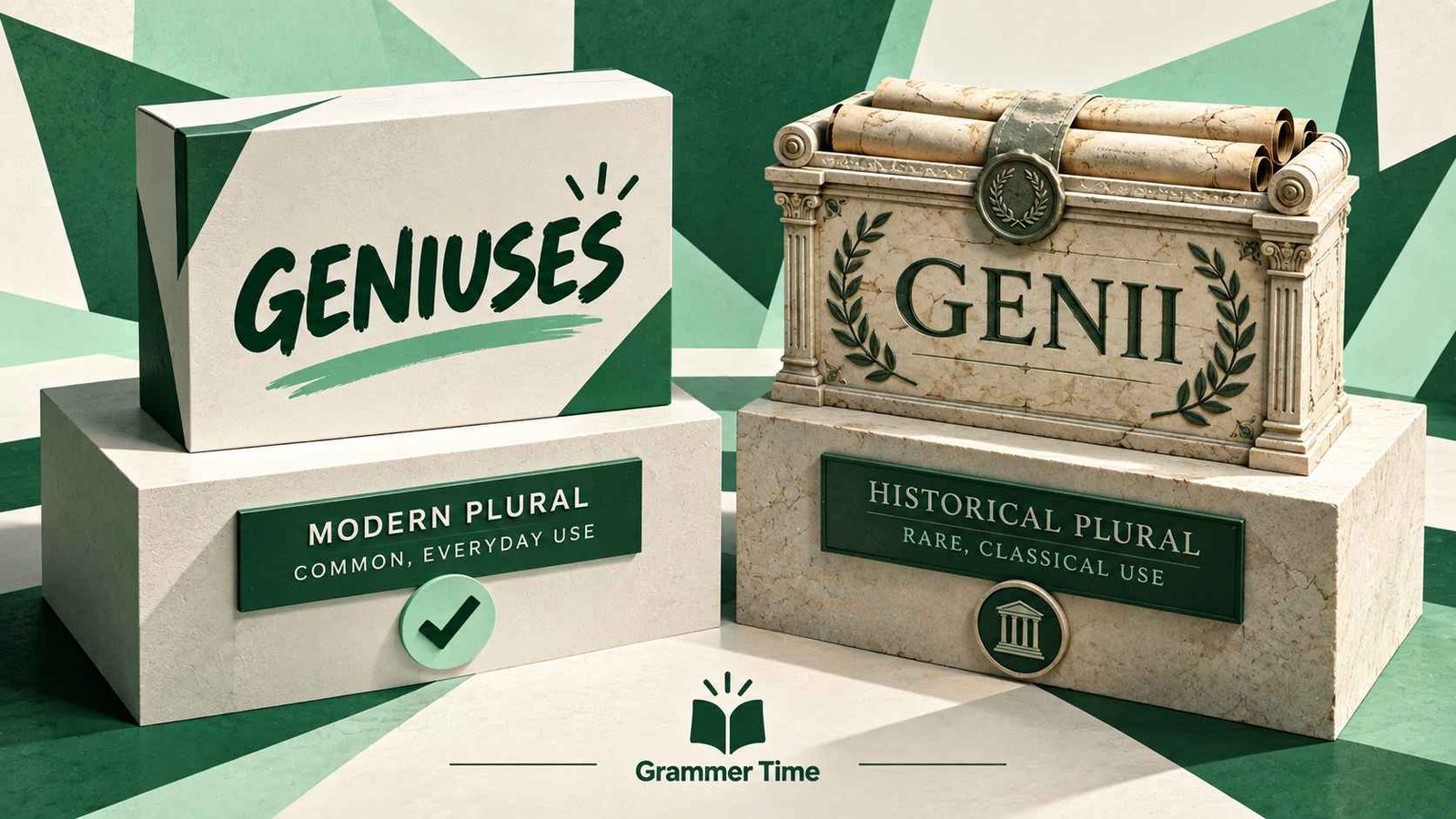
Here’s a question the spelling debate usually skips: what happens to genius in the plural? English actually allows two different answers, and both are correct in the right context. Geniuses covers almost every real writing situation, from group projects to news articles. Genii shows up mostly in older texts or discussions of Roman mythology, where the original Latin plural fits the subject.
| Plural form | Where it fits |
| Geniuses | Everyday writing, speech, journalism |
| Genii | Formal, historical, or mythological writing |
When Should You Use Genii Instead of Geniuses?
- Geniuses: the standard, modern plural for people or ideas.
- Genii: the older Latin plural, tied to Roman spirit lore.
- Everyday writing: always reach for geniuses, not genii.
- Fantasy or myth: genii sometimes appears for guiding spirits.
- Never genious plural: there’s no such word as geniouses, ever.
Example in chat:
Friend 1: is it geniuses or genii for the whole team
Friend 2: geniuses, genii is for old myths, not group chats
How to Pronounce Genius Correctly
Spelling isn’t the only place genious or genius trips people up. The pronunciation hides a small trap too, right in the middle syllable most people rush past. The word has two syllables, not three, with the stress on the first one.
What Sound Do People Get Wrong Most Often?
- Correct sound: JEEN-yus, two syllables, stress on the first.
- Common slip: some say jen-EE-us, stretched into three syllables.
- The “g” sound: always soft, like in “gentle,” never hard.
- The ending: “-ius” sounds like “yus,” not “ee-us.”
- Quick test: say radius, then swap “rad” for “gen.”
Example in chat:
Friend 1: wait is it JEEN yus or jen EE us
Friend 2: JEEN yus, two syllables, like genie plus us
Genious or Genius in Everyday Examples
Seeing genius in real contexts makes the correct spelling stick faster than any rule could. Here’s how it shows up across the writing you actually do.
Emails
That solution was pure genius, thanks for catching it.
News
The scientist was widely described as a genius in her field.
Social Media
This life hack is actual genius! Pair it with a 👉 emoji for emphasis, and if you’re ever unsure what that gesture signals in a thread, the finger pointing emoji meaning breaks down exactly how people read it.
Formal Writing
Genius often blends natural talent with years of discipline.
Education
He’s considered a musical genius, praised by teachers and critics alike.
Example in chat:
Friend 1: which one of these actually spells genius correctly
Friend 2: all of them, that’s the whole point
When Should You Use the Word Genius in Writing?
Here the genious or genius question turns into a tone question: when does calling something genius actually fit the moment? Genius works best as a specific, earned compliment, not a default reaction to anything mildly clever. Save it for what actually deserves it, and it keeps its weight.
Does Context Change Whether Genius Fits?
- High praise only: save genius for real standout ideas or people.
- Overuse weakens it: calling everything genius flattens the word’s impact.
- Formal contexts: use it as a noun describing someone’s ability.
- Casual contexts: use it as an adjective praising an idea instantly.
- Sarcasm risk: tone can flip genius into an insult in speech.
Example in texting:
Friend 1: calling my parking job genius or nah
Friend 2: nah, that’s sarcasm genius, not real genius
Genius Idioms and Common Phrases That Use the Word
Genius doesn’t just describe people. It shows up in set phrases native speakers use constantly, and knowing them helps you sound natural instead of textbook. They appear in speech, journalism, and casual writing all the time.
What Does Stroke of Genius Mean?
- Stroke of genius: a sudden, brilliant idea or solution.
- Evil genius: a brilliant person using their talent for harm.
- Genius of the family: the sibling praised for being the smartest.
- Comic genius: someone exceptionally skilled at making people laugh.
- Marketing genius: someone whose promotional ideas consistently succeed.
Example in chat:
Friend 1: how did you fix the printer with a paperclip
Friend 2: stroke of genius honestly, even I’m surprised
Genious or Genius – Search Trends & Usage
Search data tells its own story about genious or genius. Plenty of people type the misspelling every month, which shows confidence in the meaning but doubt in the spelling. That pattern spikes several times a year, tracking closely with school calendars and hiring seasons.
Who Searches for Genious or Genius Most Often?
- English learners: double-checking spelling before a written assignment.
- Students: verifying it before exams, essays, or applications.
- Job seekers: catching it before a resume or cover letter goes out.
- Fast typists: correcting autocorrect after a rushed message.
- Content writers: confirming spelling before publishing an article.
Example in chat:
Friend 1: why do i still google this every time
Friend 2: because your brain trusts sound more than memory, happens to everyone
Genius vs Genious: Side-by-Side Comparison
Sometimes the fastest way to lock in a rule is a direct comparison. Here’s genius and genious placed side by side with nothing left to guess.
| Word | Status | Meaning |
| Genius | Correct | Exceptional intelligence, talent, or a brilliant idea |
| Genious | Incorrect | Common misspelling with no accepted use |
What Is the Fastest Way to Remember the Difference?
- Pair it with radius: same ending, both end in “-ius.”
- Separate it from curious: different family, different ending entirely.
- Trust the “no o” rule: genius never takes an extra o.
- Check twice on mobile: autocorrect sometimes types the wrong one.
- Read it aloud slowly: JEEN-yus, not jen-EE-us or jen-EE-ous.
Example in chat:
Friend 1: give me the one rule that always works
Friend 2: no o, ever, that’s the whole trick
Is Genious Ever an Acceptable Spelling Anywhere?
One last question closes out the genious or genius debate for good: are there any exceptions? Any dialect, slang term, or stylized name where genious actually works?
Are There Any Exceptions in Slang or Branding?
- No dictionary lists it: not Merriam-Webster, Oxford, Cambridge, or Collins.
- No brand exception: a stylized shop name doesn’t make genious correct.
- No slang carve-out: even informal writing sticks to genius.
- No historical spelling: older English texts still used genius, not genious.
- One firm answer: genious is incorrect in every single case.
Example in chat:
Friend 1: i saw a store called Genious Kids, so is it valid now
Friend 2: nope, that’s just a stylized name, still spelled wrong in real writing
FAQs About Genious or Genius
Is genious ever correct?
No, genious is never correct in standard English. Every major dictionary rejects it.
Why do people spell genius as genious?
Because words like curious and serious end in “-ious.” Genius simply breaks that pattern.
Is genius a noun or an adjective?
Both. It works as a formal noun and an informal adjective, depending on context.
Does British English allow genious?
No. British, American, and every other English dialect spell it genius only.
What is the plural of genius?
Geniuses is standard today. Genii is an older, rarer plural used in formal or mythological writing.
How do you pronounce genius correctly?
Say JEEN-yus, two syllables, soft “g.” Avoid stretching it into three syllables.
Will spellcheck always catch genious?
Usually yes, but casual apps and quick messages sometimes miss it. Always double-check manually.
Conclusion
The genious or genius debate has one clear answer: genius is always correct. Genious survives only because it sounds identical out loud, not because it follows any real spelling rule.
English keeps a small, closed group of “-ius” words, and genius sits right there next to radius. The genious or genius question doesn’t split between British and American English, and it doesn’t loosen up in casual writing or texting.
Next time your fingers want to add that extra o, pause and think of radius instead. That one memory trick settles genius spelling for good, and it closes the genious or genius question for the last time.

Daniel Parker is an English language writer sharing clear grammar lessons, practical tips, and helpful examples for learners.










2 thoughts on “Genious or Genius: Which Spelling Is Correct and Why It Matters”